Apr 08, 2025
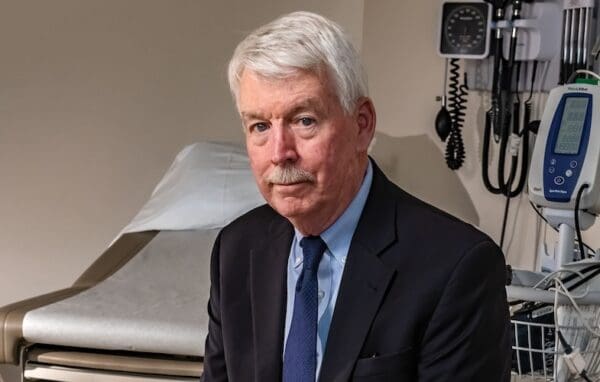
In the 1970s, Philip J. Landrigan conducted groundbreaking work linking lead in gasoline and paint to a lowered IQ in children exposed to it. Now he’s sounding the alarm about the pesticides and plastics in our lives that are also compromising the health of both children and adults.
Dec 17, 2024
CLF will continue to counter Trump and make climate and environmental progress in the next four years.
Oct 28, 2022
“Widespread gentrification and neighborhood changes are clearly impacting the health of longtime residents,” said Reann Gibson, an HNS Research Scientist at Conservation Law Foundation (CLF). “Decades of redlining and racism have affected communities of color, and now gentrifying development is threatening these neighborhoods all over again. The study’s findings are yet one more reason why people must have power over the changes that could profoundly alter their communities.”
Apr 02, 2021
Resident Researcher, Carl Baty, shares how the Healthy Neighborhoods Study is turning research into action and disagreements into long-lasting friendships in his community.
Dec 20, 2020
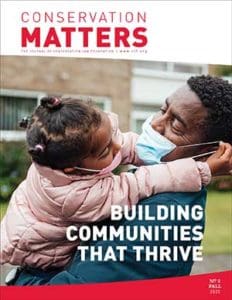
This past year was one of the most challenging our country has faced in many of our lifetimes. Both the COVID-19 pandemic and the summer’s protests against police violence have forced deep, damaging inequities in our society out into the light of day. Now, as we start the new year, it’s up to all of us to ensure they not only stay there but that we actively work to redress them.
Jul 21, 2020
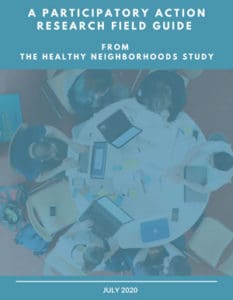
This Field Guide describes how the partners in the Healthy Neighborhoods Study do research in 9 communities in Greater Metropolitan Boston. The project uses the Participatory Action Research (PAR) approach, which is grounded in the idea that the people who are most impacted by a problem are in the best position to understand and solve that problem. After years of research together, we wrote this guide for other communities interested in Participatory Action Research.
Jul 14, 2020
Like COVID-19, severe heat waves are not an “equal opportunity” health threat. The most disinvested neighborhoods — those dominated by buildings, pavement, and parking lots — are hit the hardest. The built environment of these places absorbs and traps heat, creating a “heat island effect” that makes them dangerously hotter than other neighborhoods while worsening their air quality.
Feb 12, 2020
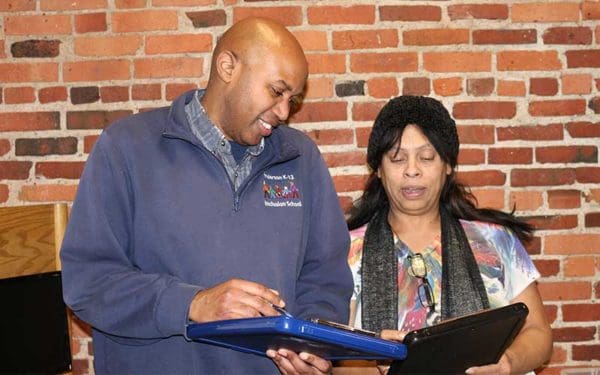
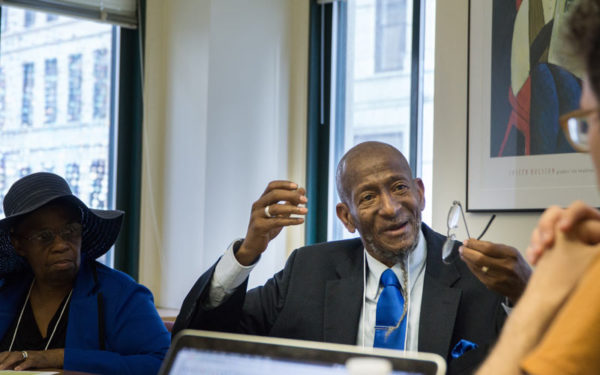
CLF’s Healthy Neighborhoods Study is powered by resident researchers, who play a key role in designing and conducting the study and in sharing it with their neighbors. Cliff Bennett, JoAnn Diaz, and Mela Miles, part of the research team on the ground in Roxbury, discuss what the survey means for their community.
Jan 13, 2020
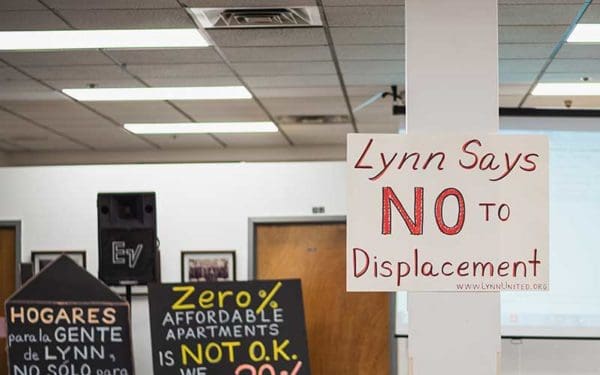
A shared understanding of the challenges created by gentrification help Lynn residents come together and fight for healthy housing.
Dec 16, 2019
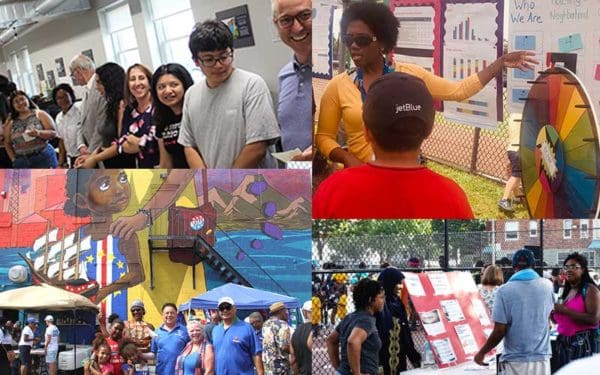
We know that where you live matters for your health. Our community partners understand this firsthand because they live it every day. This past summer, the communities that participated in our Healthy Neighborhoods Study – Chelsea, Everett, Lynn, New Bedford, Fall River, Brockton, Roxbury, Dorchester, and Mattapan – turned that research data into action by sharing the results to make a difference where they live.