
Blog
January 30, 2018 | Rising Seas, Rising Standards of CareIn 2013, a two-day downpour struck the Chicago area, causing massive flooding, overflowing sewers, and millions of dollars in property damage. After the clean-up, Farmers Insurance company filed a landmark class action lawsuit against the Water Reclamation District for greater Chicago on behalf of its policyholders and other property insurance companies affected by the flooding.… Continue reading Rising Seas, Rising Standards of Care | 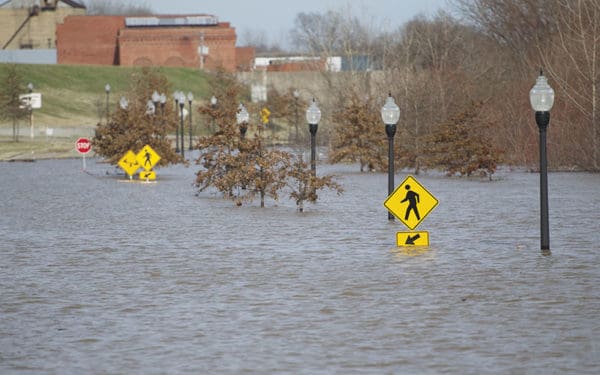 |
January 29, 2018 | Join Us in Opposing Trump Administration’s Oil and Gas Drilling Plans[Update: Public meetings postponed due to the federal government shutdown have been rescheduled. The New England dates are as follows: Feb. 13 – Hartford, CT; Feb. 27 – Boston, MA; Feb. 28 – Providence, RI; March 5 – Concord, NH; March 7 – Augusta, ME. Sign up to attend a meeting near you here. There are also coordinated opposition events concurrent… Continue reading Join Us in Opposing Trump Administration’s Oil and Gas Drilling Plans | 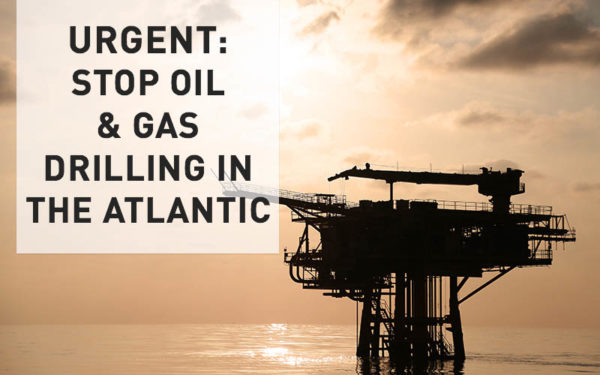 |
January 27, 2018 | False Claims and Desperate Measures Mark Latest Chapter with Northern PassEversource is trying to silence CLF’s opposition to its controversial Northern Pass project. We think they should instead spend their energies responding to the Granite Staters’ concerns about the harmful impacts the proposed massive transmission line will have on their communities and landscapes. | 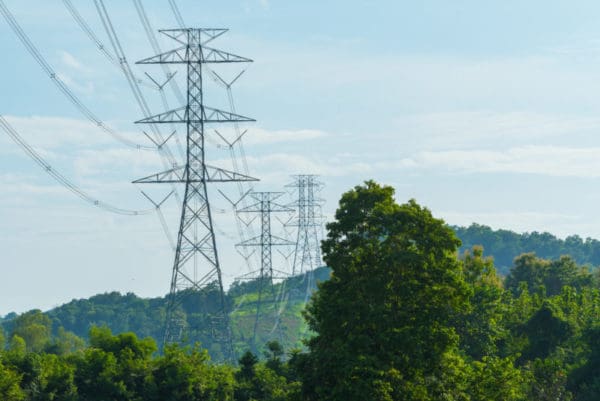 |
January 26, 2018 | Pollution from Massachusetts’s Newest Community Threatens Nashua RiverPollution from the massive development at the former Fort Devens is endangering the iconic Nashua River. CLF is working to ensure that Devens follows through with its legal requirements to monitor and prevent pollution. And we are making sure that Devens lives up to its own advertising and does not miss out on the opportunity to be a true model for new development. | 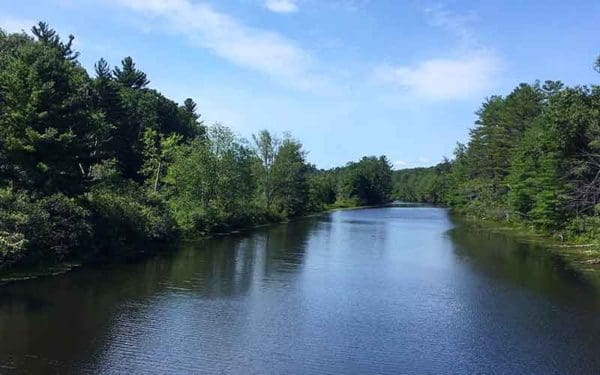 |
January 25, 2018 | How Do Solar Panels Work?At the most basic level, solar panels take light from the sun and turn it into electricity that you can use to power your stuff, from the small (your phone) to the large (your home or your business). | 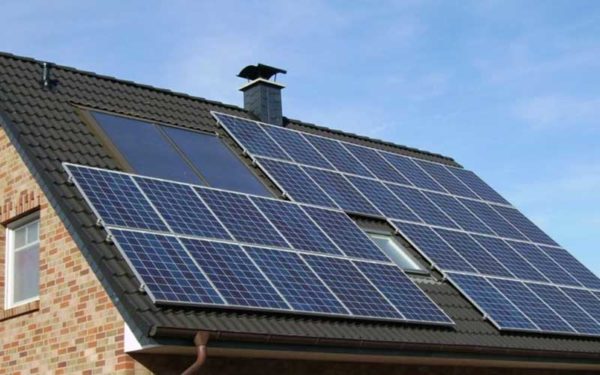 |
January 16, 2018 | How to Save Energy (and Money!) During a Cold SnapNew England was recently blasted by an early winter storm. It was called a “bomb cyclone” and a “snow hurricane,” and for a while we all tried to huddle inside and stay warm. While temperatures have now risen back to a balmy 60 degrees, we know it won’t stay that way. So when the temperature… Continue reading How to Save Energy (and Money!) During a Cold Snap |  |
January 10, 2018 | Progress on Lead Poisoning Bill, But Last Push NeededWe’re in the home stretch of our work to strengthen New Hampshire’s lead laws to better protect kids from the preventable tragedy of childhood lead poisoning. But we need a final push to state Senators to see the bill through to the Governor’s desk. | 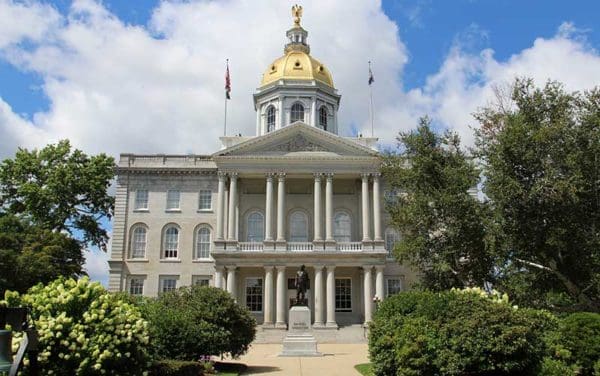 |
January 9, 2018 | Massachusetts Hits the Accelerator on Clean TransportationMassachusetts has long been a leader in promoting clean, climate-friendly electric cars and trucks. And now, the Commonwealth is taking another leap forward in ending our reliance on gas- and diesel-powered vehicles. A recent order from the Massachusetts Department of Public Utilities gives the green light to Eversource, the region’s largest energy company, to invest… Continue reading Massachusetts Hits the Accelerator on Clean Transportation |  |
January 8, 2018 | Let’s Learn from the Seaport’s Mistakes, Not Repeat ThemBoston’s newest neighborhood, the Seaport District, has drawn recent criticism for its high-priced housing and amenities, exclusivity, and lack of diversity. What started out as an incredibly rare chance for Boston to redevelop nearly 1,000 acres of city land is now largely considered a major missed opportunity. Given the billions of dollars of public investment… Continue reading Let’s Learn from the Seaport’s Mistakes, Not Repeat Them | 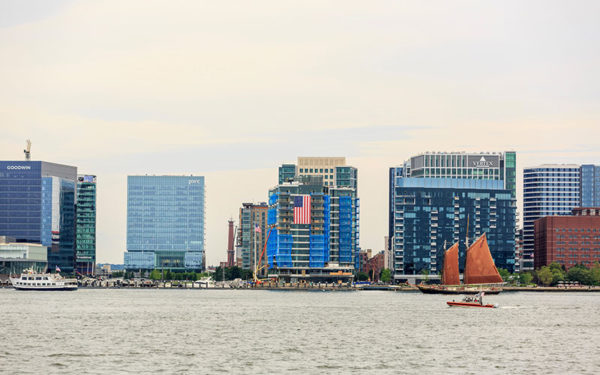 |
January 4, 2018 | A Vision of Farm OwnershipThis blog is part of our occasional series on young farmers in Connecticut. Before starting Full Heart Farm in Ledyard, Connecticut, Allyson Angelini knew exactly what she wanted: to live on her own farm that could provide a community-supported agriculture program to nearby residents. Yet like so many young Connecticut farmers, realizing this vision proved… Continue reading A Vision of Farm Ownership | 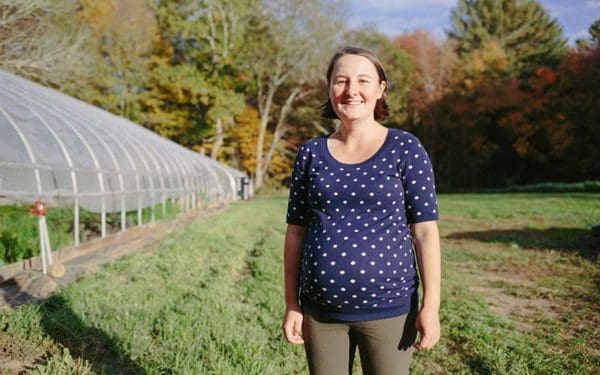 |