Oct 05, 2022
Three Hot Tips to Help the Ocean Cool Down
Why is our ocean overheating? The main is that it is working overtime to protect us. An overheating ocean spells bad news for marine life and humans. But we can help. Here’s ho

Why is our ocean overheating? The main is that it is working overtime to protect us. An overheating ocean spells bad news for marine life and humans. But we can help. Here’s ho
“All landfills eventually leak. While we ultimately need to move away from burying our waste, we need to make sure landfills are safe for New Hampshire in the meantime,” said Tom Irwin, Vice President CLF New Hampshire.
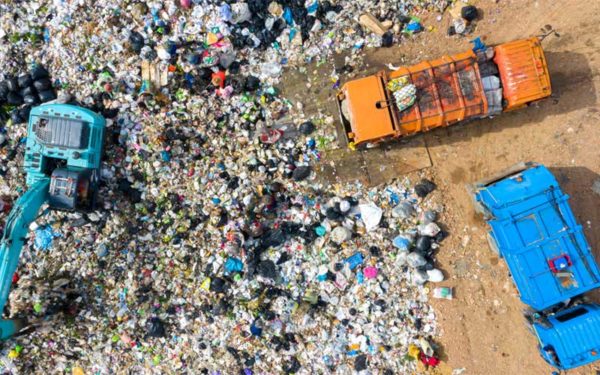
“We need to move away from burying and burning, and towards reducing, reusing, and composting,” said Staci Rubin of Conservation Law Foundation. “A sustainable future means reducing burdens on communities of color and low-income residents who shoulder the brunt of waste disposal. We don’t need to invent any new technologies, we just need the Commonwealth to devote resources to education and enforcement.”
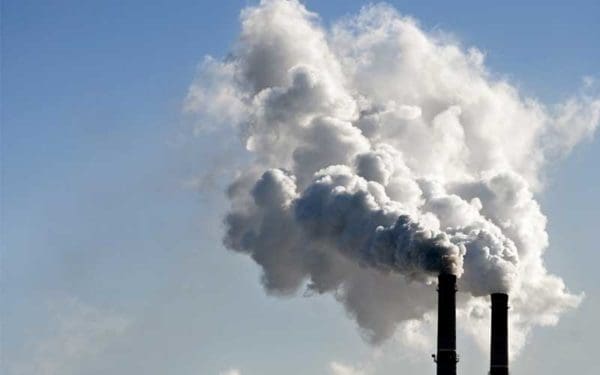
Massachusetts faces a host of environmental and public health challenges that will likely take years to solve. But one problem we can clearly solve in the near term is the amount of waste we discard that should be reduced, composted, or recycled.
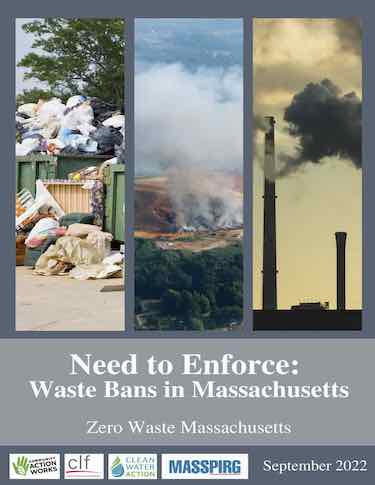
CLF’s forceful advocacy paid off in this year’s Rhode Island legislative session with laws passed to help our climate, stop plastic pollution, and safeguard our drinking water from toxic chemicals.
We’re opposing these toxic ways of disposing of trash.

We’re protecting communities from toxic waste.

Burying incinerator ash harms our health and environment. Yet, as New England’s incinerators limp on well past their lifespans, several ash landfills across the region want to expand.