Dec 29, 2025
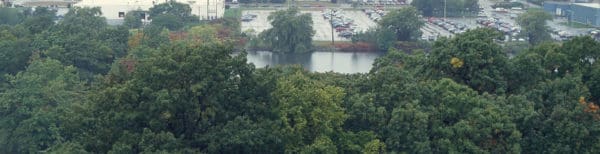
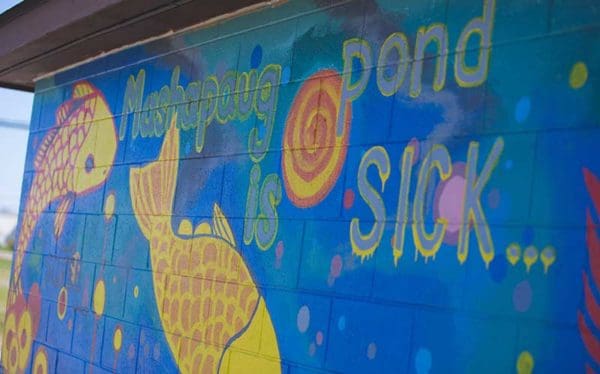
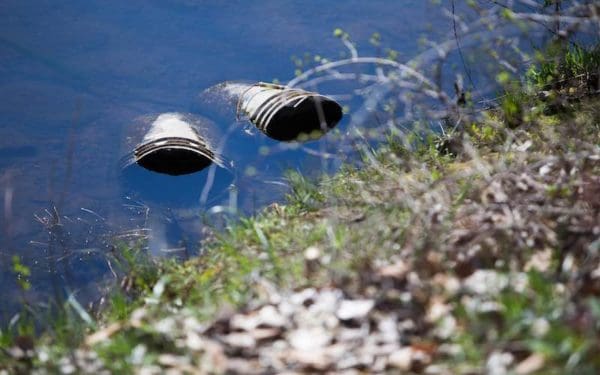
Mashapaug pond, which at times turns an artificial neon green, has been a no-go zone for years. Stormwater pollution flows here from roughly 70 industrial and commercial properties in the neighborhood. Every time it rains or snowpack melts, oil, grease, chemicals, and other sediment wash from nearby paved surfaces – around industrial facilities and a shopping center – into the pond.
Dec 22, 2025
CLF is on the ground and in the courts, sustaining our clean energy progress. The stakes could not be higher. CLF will not relent until a just, affordable, and sustainable energy future becomes reality for all.
Mar 06, 2025
The Trump administration could try to halt the EPA’s work to protect New England’s waters, but CLF will be ready to fight back.
Jul 26, 2023
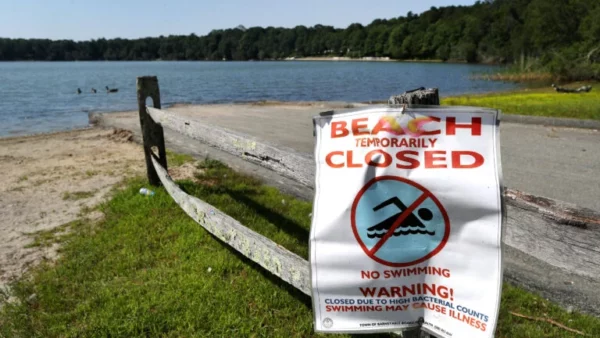
Numerous beach closures in the summer of 2023 were a result of climate change and stormwater pollution.
Jan 02, 2019
CLF is calling on EPA to hold polluters accountable for their dirty discharge.
Dec 11, 2018
Stormwater pollution is making Rhode Island waters unsafe for swimming, fishing, and boating. CLF is asking the state’s Department of Environmental Protection to hold polluters accountable for their runoff.
Nov 19, 2018
“No one should be given a free pass to pollute Rhode Island waters,” said James Crowley, Staff Attorney at CLF. “Years of toxic runoff have endangered our waters, closed our beaches, and threatened important wildlife habitats. Our communities deserve to enjoy these areas without being sickened by toxic pollution that has gone unchecked for decades. The state has the power to hold these polluters accountable and it must act now to protect our waters for future generations.”
Jun 29, 2018
“What isn’t a solution is leaving a very dirty facility like this right at sea level in a Federal Emergency Management Agency flood zone with no consideration of the impacts of climate change,” said Chris Kilian.
Jun 27, 2018
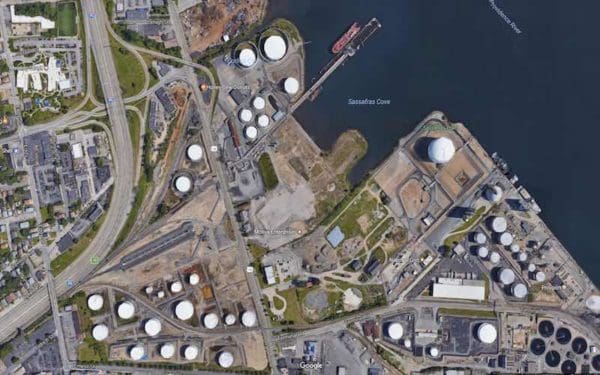
“Shell’s facility is an accident waiting to happen,” said Chris Kilian, Vice President of Strategic Litigation at CLF. “One severe storm could result in the terminal spilling toxic chemicals into the Providence River and surrounding communities. The company has failed to prepare the facility for the effects of climate change, even as sea levels continue to rise and stronger storms are becoming more frequent. We will continue the fight to protect the community and our environment from the dangers posed by this terminal.”
Jun 27, 2018
Allan Kanner, a lawyer for the CLF, argued that the risk has been made clear already. During the historic spring floods in 2010 that inundated large parts of Rhode Island, storm water washed contaminants from the Shell terminal into the river, he said.