Mar 18, 2026
Getting Road Salt Out of Our Waters
Vermont is fighting to keep our streets clear without polluting waterways
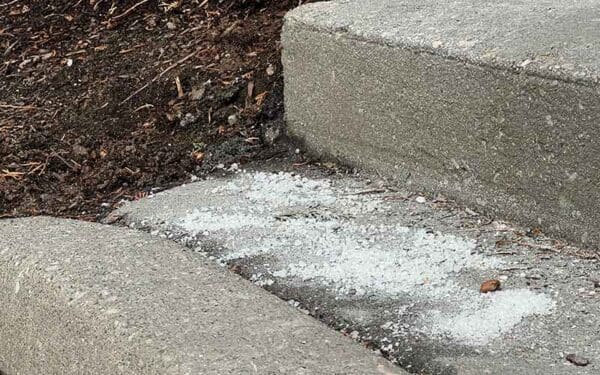
Vermont is fighting to keep our streets clear without polluting waterways
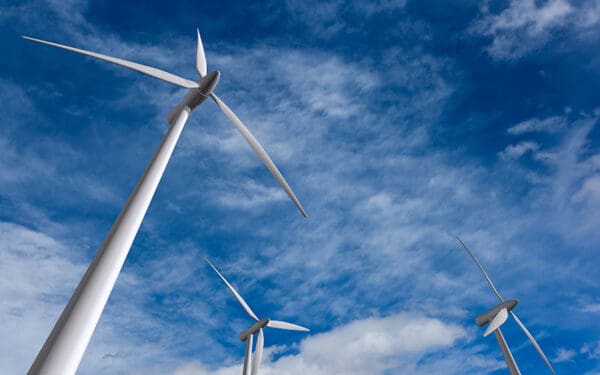
These projects will provide reliable, homegrown energy and will prevent millions tons of carbon from fouling our air and lungs each year.
Well, the Trump administration has finally done what it had long threatened to do: it slammed the door on the federal government’s authority to fight climate change. But just because something is expected doesn’t make it any less devastating – or legal. By improperly revoking the “endangerment finding” linking carbon pollution to pressing existential risks such as climate change and chronic disease, the administration abandoned even the slightest pretense of concern for American families.
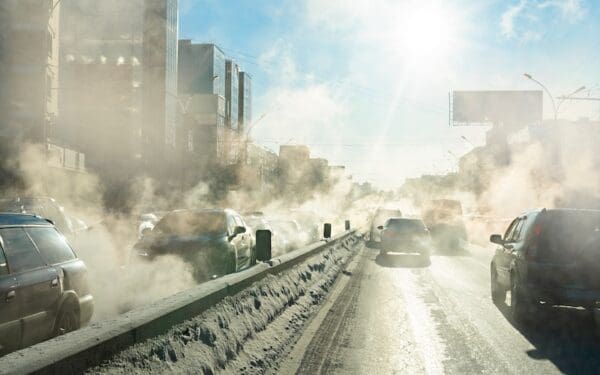
CLF has pushed for years for stronger pollution controls to combat the harmful stormwater runoff that causes toxic algae blooms, degrades aquatic ecosystems, and makes Mashapaug Pond unfit for human use.

We’re prepared to take this fight to court to ensure our communities aren’t left to bear the consequences of unchecked climate-warming pollution.
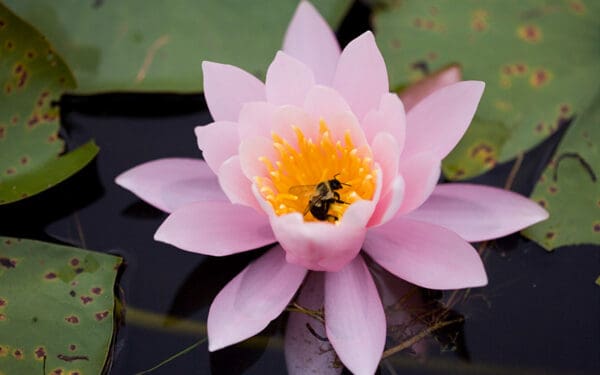
Neonicotinoids are killing off vulnerable pollinators, polluting the environment, and harming human beings.
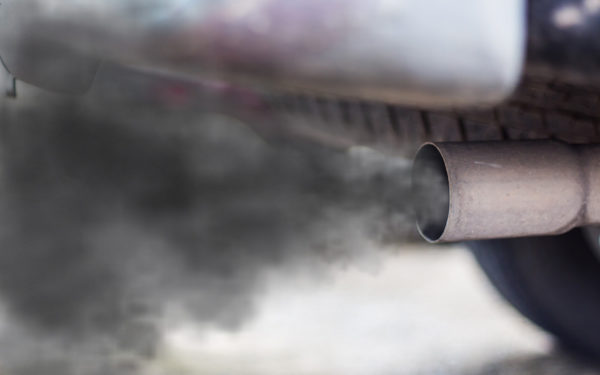
Soot pollution kills, and every day the EPA fails to act is another day communities are left unprotected.
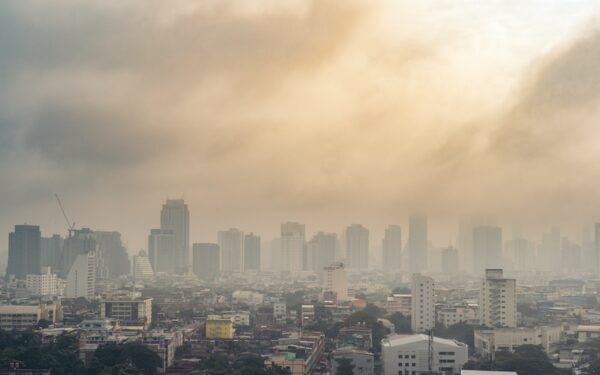
The endangerment finding unambiguously declared that the pollutants emitted whenever fossil fuels are burned endanger public health and the environment.
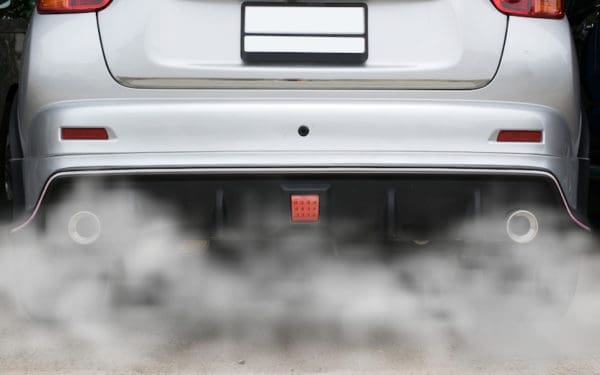
It makes no sense to weaken standards that save families money at the pump and cut down pollution hurting our health.
The provisions of the Clean Water Act are in the crosshairs because of the maniacal efforts of the administration to resuscitate the dying fossil fuel industry.