Aug 16, 2023
New Study: Going 100% with Clean Car Rule Would Deliver $21 Billion in Societal Benefits
Maine’s proposed rule to spur electric vehicle purchases should go farther
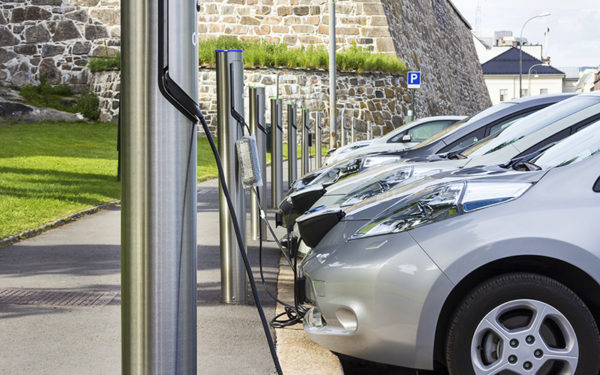
Maine’s proposed rule to spur electric vehicle purchases should go farther
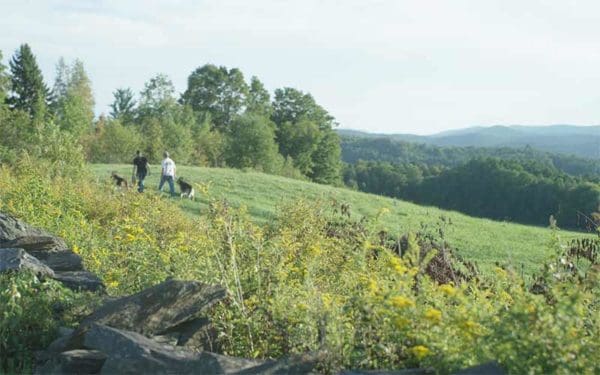
“The Bellevue Project makes no economic or environmental sense,” said Elena Mihaly, Vice President of CLF Vermont. “Vermont should prioritize projects that help farms avoid producing climate-damaging emissions in the first place. Projects like this one generate as much polluting methane as possible, lock farms into industrial dairying, and saddle Vermonters with the bill for expensive, unnecessary gas infrastructure.”
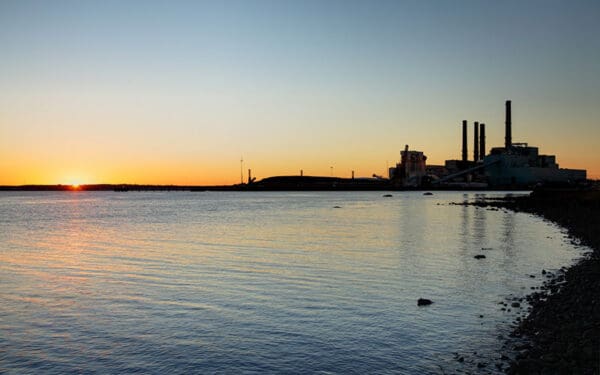
Massachusetts’ waterfronts have always played a critical role in the state’s economy, supporting our fishing, shipping, and energy industries, among others. But those industrial uses haven’t always benefitted the communities that host them.
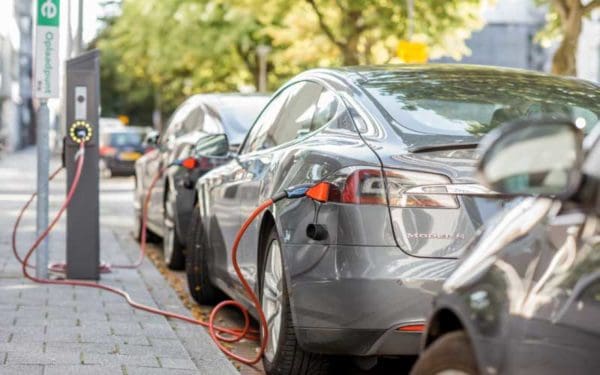
“Harmful emissions from gas-powered cars and trucks are driving the climate crisis and polluting the air in our communities,” said CLF attorney James Crowley. “Rhode Island has an opportunity to tackle the climate crisis while cleaning up the air in our neighborhoods. It’s time to ditch fossil fuels once and for all, and these new rules will help us get there.”
Here are six ways that urban forestry can help our communities if we choose to invest in it.

Here’s how and why CLF is pushing the Healey administration to reach net zero by 2050.
While Big Gas is still trying to peddle its climate-damaging products, regional officials seem poised to recognize the power of solar and wind energy.

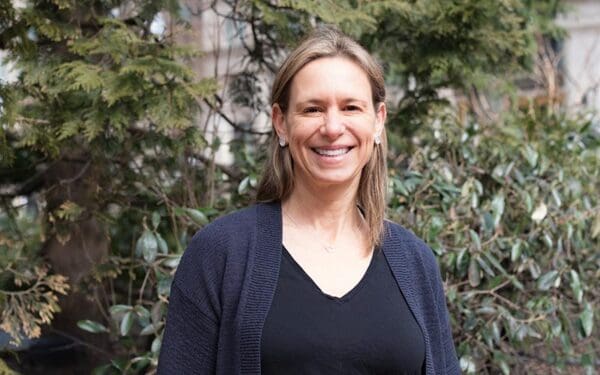
CLF’s new senior vice president of law and policy is a veteran environmental advocate primed to oversee the organization’s advocacy efforts across New England.
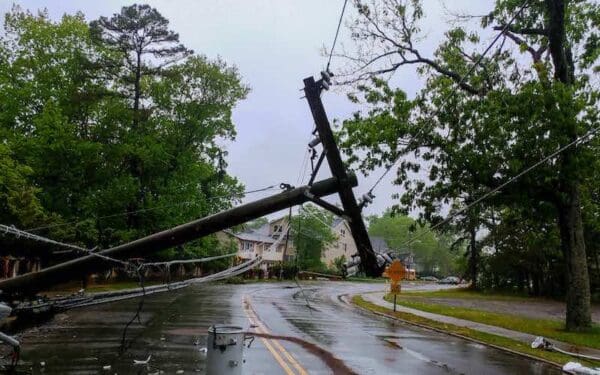
“Allowing these companies to keep charging customers for storm cleanup over and over is an outrage,” said Johannes Epke, CLF. “It should be up to the utilities to make their infrastructure resilient to the frequent, climate-driven storms we’re seeing more and more. It’s time to change state rules that allow these companies to pass the bill on to Massachusetts families and businesses and hold utilities responsible instead.”
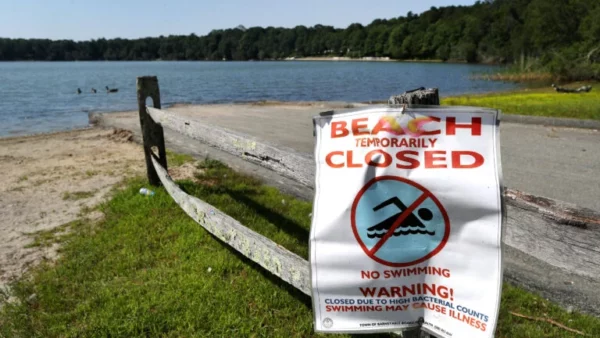
Numerous beach closures in the summer of 2023 were a result of climate change and stormwater pollution.