Jul 23, 2025
Beneath the Surface, Humans are Threatening Biodiversity in Gulf of Maine Ecosystems
Biodiversity is key to a healthy, thriving Gulf of Maine, but we’re putting it at risk
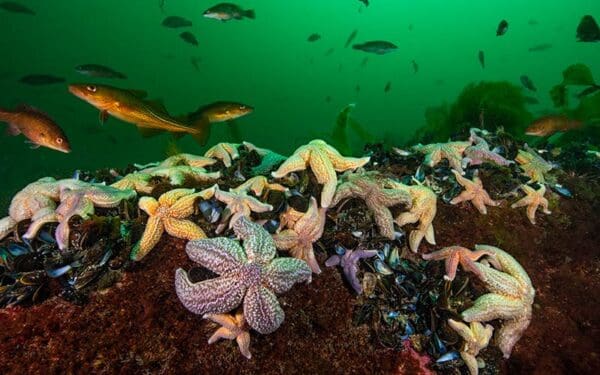
Biodiversity is key to a healthy, thriving Gulf of Maine, but we’re putting it at risk
In a short-sighted vendetta against “diversity, equity, and inclusion” the Trump administration has canceled many grants that farmers were relying on to grow their food sustainably.

Our homes are rife with PFAS. Even though chemical companies have known for decades that forever chemicals are toxic to humans and don’t dissolve once out in the world, they’ve resisted eliminating them because, well, they’re profitable.

What stands in the way of cleaner air, safer drinking water, unpolluted ports, and better health for Rhode Islanders is what we are sorely missing: an environmental justice law that takes a holistic perspective.

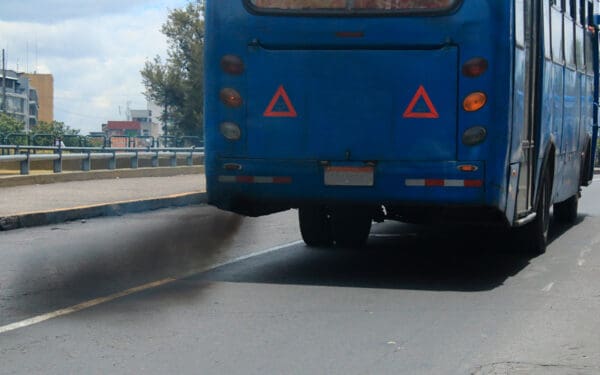
When illegally idling vehicles produce toxic fumes, citizens should be able to fight back.
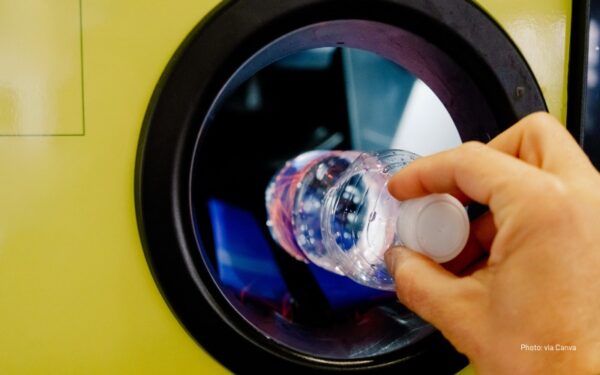
How does your state stack up in this report card? Could your elected officials be doing more to cut litter and keep bottles out of landfills?
Via a cartoon, a seal and a turtle explain what’s causing plastic pollution in the ocean and who’s responsible.
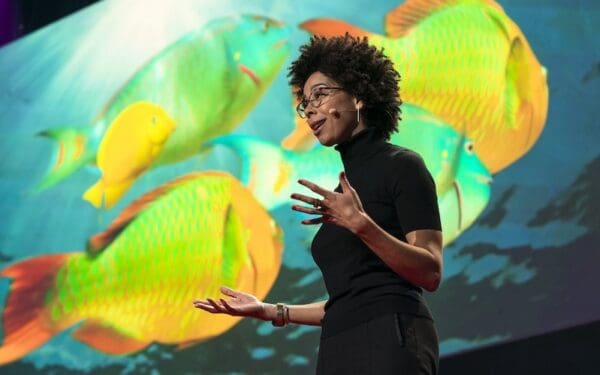
CLF President Bradley Campbell recently spoke with Ayana Elizabeth Johnson about environmentalism in the age of Trump. We’ve excerpted portions of their conversation.
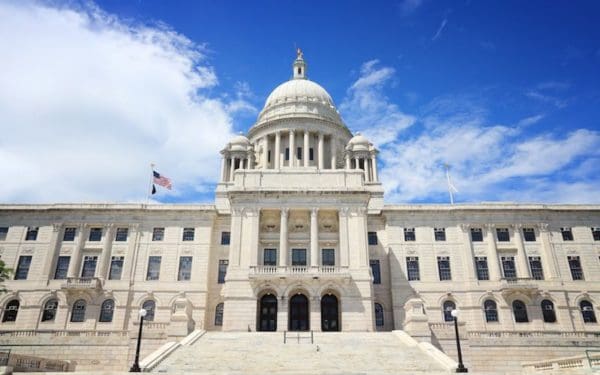
Rhode Island legislators chose inaction on issues critical to the health and well-being of Rhode Islanders.
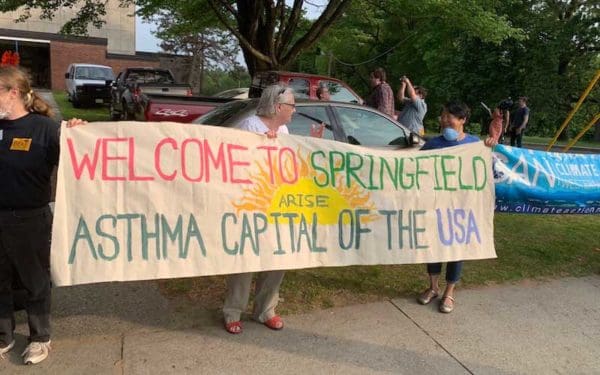
Springfield residents have spent 14+ years fighting a polluting biomass plant backed by expired permits and legal loopholes. Despite multiple court victories, the battle continues as developers push outdated paperwork. This is a story of environmental justice, community resilience, and the demand to finally end the Franken-permit once and for all.