Dec 29, 2025
Mashapaug pond, which at times turns an artificial neon green, has been a no-go zone for years. Stormwater pollution flows here from roughly 70 industrial and commercial properties in the neighborhood. Every time it rains or snowpack melts, oil, grease, chemicals, and other sediment wash from nearby paved surfaces – around industrial facilities and a shopping center – into the pond.
Dec 22, 2025
CLF is on the ground and in the courts, sustaining our clean energy progress. The stakes could not be higher. CLF will not relent until a just, affordable, and sustainable energy future becomes reality for all.
Sep 16, 2025
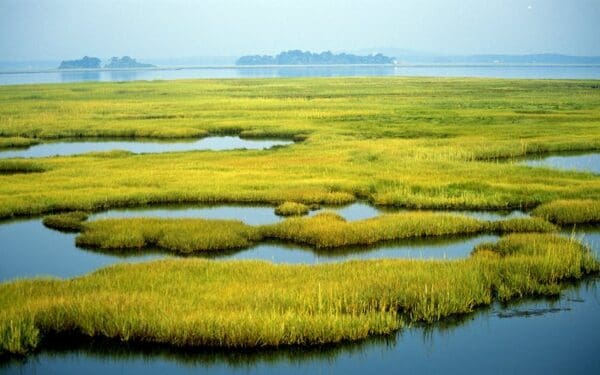
Wetlands are a critical piece of our ecosystem that must be protected.
Mar 06, 2025
The Trump administration could try to halt the EPA’s work to protect New England’s waters, but CLF will be ready to fight back.
Nov 12, 2024
Project 2025, written as a blueprint for a new conservative administration, would eviscerate decades of hard-won environmental protections for the benefit of the wealthy few. The rest of us—and the country as a whole—would be much worse off because of it.
Nov 04, 2024
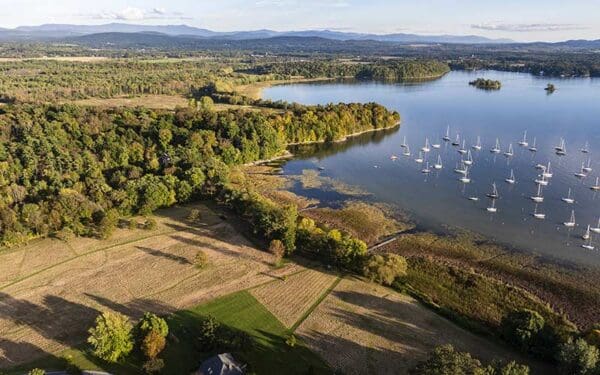
Former Secretary of the Vermont Agency of Natural Resources Deb Markowitz joins CLF to talk about tackling agricultural runoff.
Oct 10, 2024
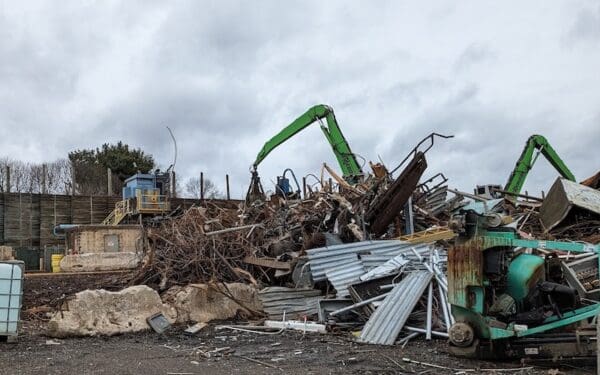
Conservation Law Foundation has notified Sims Metal of its intent to sue for Clean Water Act violations at eight scrap metal facilities in Rhode Island, Connecticut, New York and Maryland. The company’s stormwater runoff regularly polluted nearby rivers and other waterways with toxic metals like lead, copper, and zinc.
Jul 22, 2024
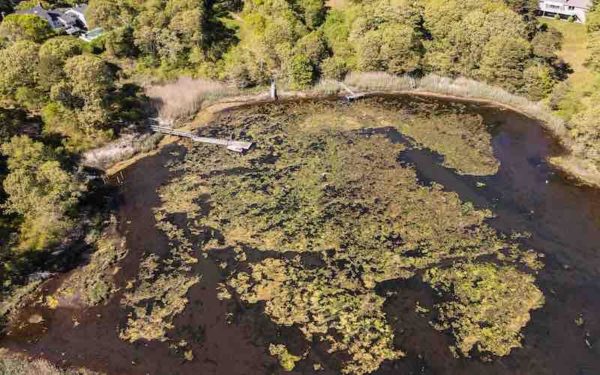
Conservation Law Foundation on Monday refiled its Clean Water Act lawsuit against the Town of Barnstable, where the town’s sewage treatment plant is polluting waters with nitrogen, leading to toxic algae outbreaks that destroy habitats and sicken people and pets.
Jun 25, 2024
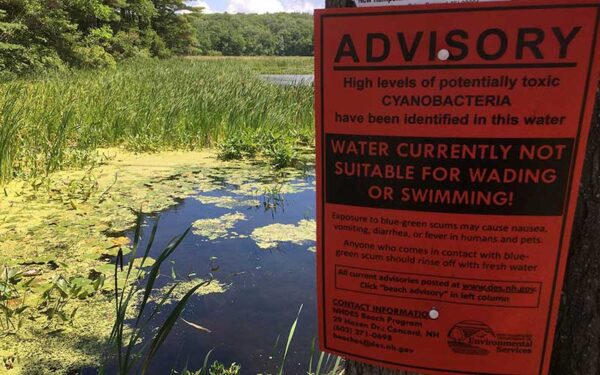
Toxic blue-green algae makes it dangerous to swim for humans and animals, and climate change is making it worse.
Jun 13, 2024
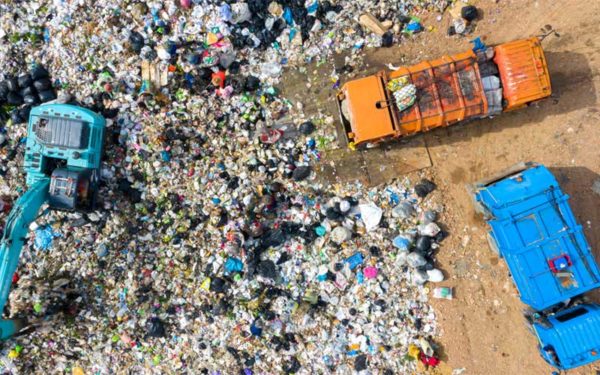
Trash in landfills contaminates soil and water. That’s because all landfill sites will leak sooner or later.