Dec 27, 2023
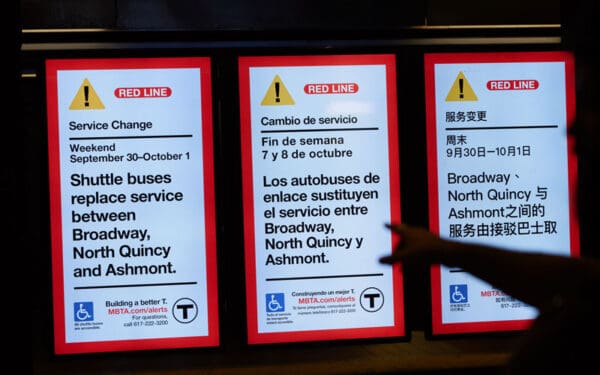
To make closures as painless as possible, the MBTA must prioritize: 1. Timely Announcements, 2. Transit Alternatives, 3. Transparency, 4. Translation, and 5. Thinking Ahead.
Dec 06, 2023
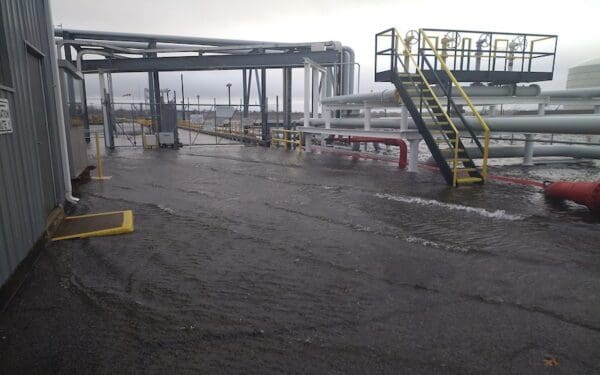
The 100-acre ExxonMobil tank farm in Everett will not be allowed to store fuel anymore as a result of a settlement agreement between the company and the Conservation Law Foundation. “This is a facility where ExxonMobil, which has known through work by its own scientists about the risks of extreme weather to their facilities, has done nothing to prepare for extreme storms,” said foundation President Brad Campbell.
Nov 03, 2023
“While Shell tries every trick in the book to avoid coming clean about its involvement in the climate crisis, our community is in danger,” said Darrèll Brown, vice president of CLF Rhode Island.
Nov 03, 2023
“While Shell tries every trick in the book to avoid coming clean about its involvement in the climate crisis, our community is in danger” said Darrèll Brown, Vice President of CLF Rhode Island. “The evidence we have seen shows that the company has left this facility woefully unprepared for extreme weather. Major risks exist now and they’re only going to get worse as the oceans rise and storms intensify.”
Nov 01, 2023
Fossil fuel companies are pushing alternative fuels as solutions to the climate crisis – but those fuels aren’t solutions at all.
Oct 30, 2023
“It’s critical that we separate fact from fiction when it comes to biofuels,” said Caitlin Peale Sloan, Vice President of CLF Massachusetts. “The fossil fuel industry is pushing solutions like renewable natural gas as a silver bullet to confront the climate crisis with little evidence. The truth is these fuels will still pollute our climate and our air, and they must be used only in limited cases.”
Oct 30, 2023
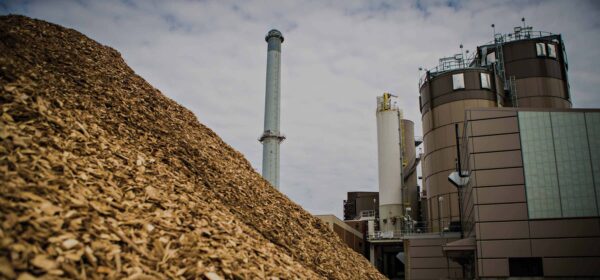
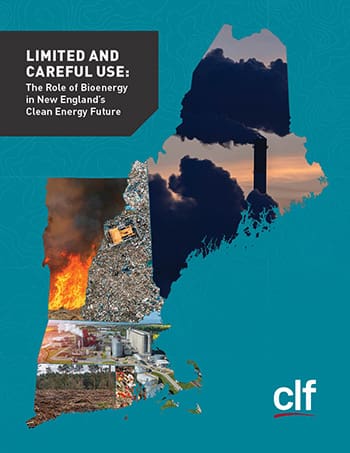
As the conversation around our clean energy future progresses, new fuels have entered the field that are purportedly “renewable” and “clean.” These fuels are often called “bioenergy” because they are produced from natural resources and waste. Policymakers are contending with what role these new fuels play in slowing climate change. CLF answers this question in… Continue reading Limited and Careful Use: The Role of Bioenergy in New England’s Clean Energy Future
Oct 03, 2023
This landmark law aims to clean up how we heat our homes and buildings. Now we need to implement it effectively so that it achieves its goal.
Sep 27, 2023
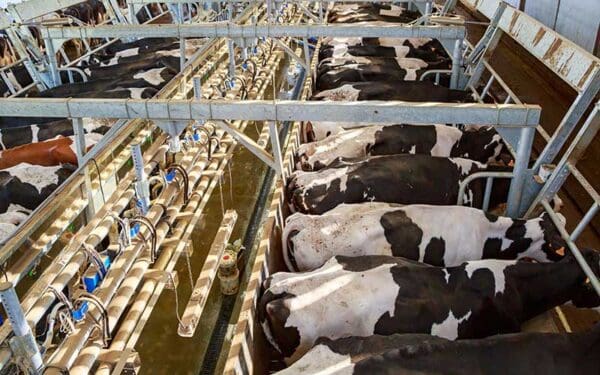
A proposal to build an anaerobic digester on Vermont’s largest dairy farm is not the climate solution its proponents claim it to be.
Sep 15, 2023
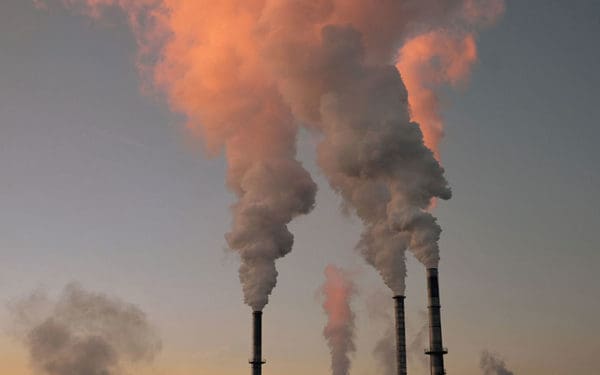
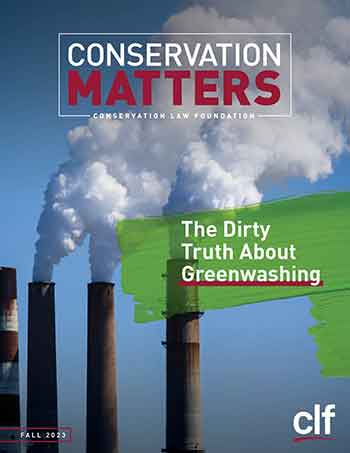
The fossil fuel industry spent billions to sabotage trust in climate science. Now, they’re spending billions to recast some fossil fuels as clean and sustainable.