Jan 27, 2021
Housing Can Remedy Public Health Disparities
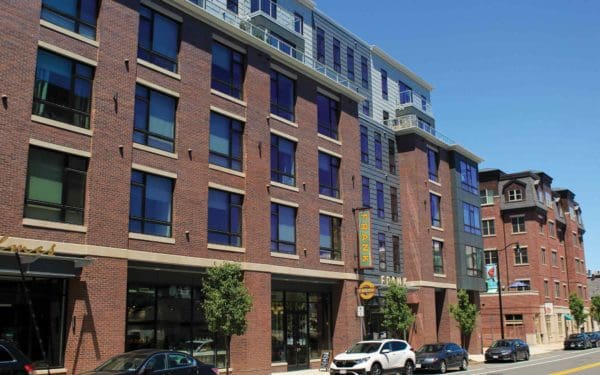
As the first project funded by CLF’s Healthy Neighborhoods Fund, Chelsea Flats showcases inclusive and sustainable development.
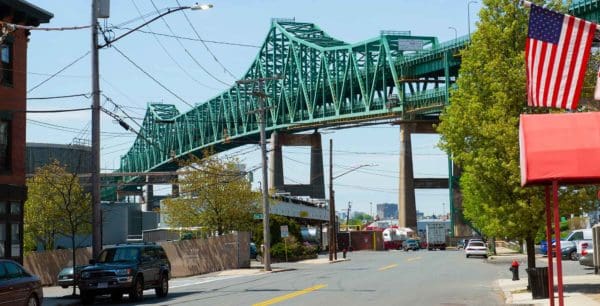
As the first project funded by CLF’s Healthy Neighborhoods Fund, Chelsea Flats showcases inclusive and sustainable development.
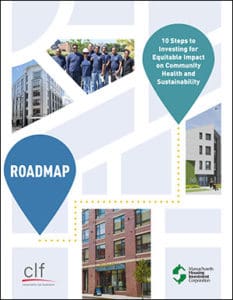
This report provides an overview of our experience with the Healthy Neighborhoods Equity Fund (HNEF). We hope to inform other efforts investing in housing and retail in ways that can lead to equitable changes in neighborhood health and environmental conditions.
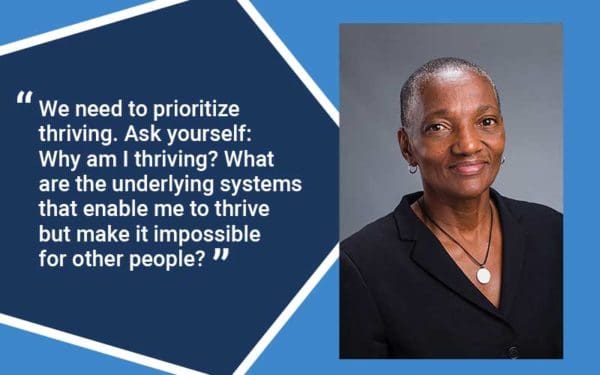
It’s tempting to boil down good health solely to factors like medical care, healthy food, and exercise. However, many other dynamics, like historic redlining and racial segregation, along with substandard housing, air pollution, crumbling infrastructure, and lack of access to jobs, healthy food, and green space, all play a role. Perhaps no one understands the interplay of these factors better than those who work in healthcare, including Dr. Thea James, who serves as Boston Medical Center’s Associate Chief Medical Officer, Vice President of Mission, and Director of the Violence Prevention.
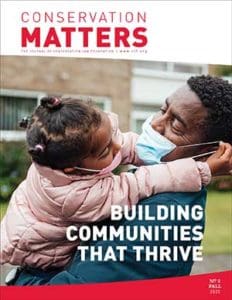
This past year was one of the most challenging our country has faced in many of our lifetimes. Both the COVID-19 pandemic and the summer’s protests against police violence have forced deep, damaging inequities in our society out into the light of day. Now, as we start the new year, it’s up to all of us to ensure they not only stay there but that we actively work to redress them.
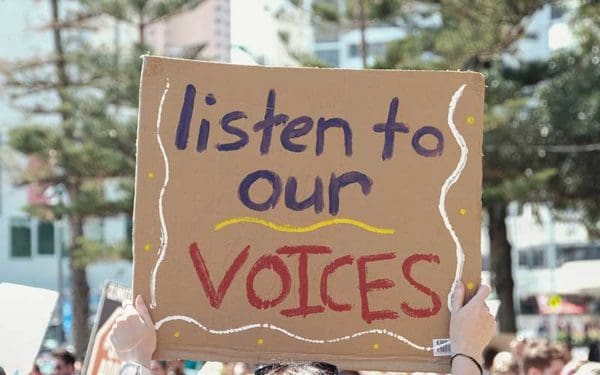
I grew up in communities that needed environmental justice the most. I also lived in neighborhoods that already had the resources and ability to make change. Still, I didn’t understand the difference or know what the environmental world called the movement until later in life. I could only connect the dots when I had more access to education and a framework for understanding the issue.
Michele Cubelli Harris gets a new lease on life, thanks in part to CLF’s Healthy Neighborhoods Equity Fund
This new rapid Health Impact Assessment (HIA) explores how transit-oriented development impacts health and contributes to social, environmental, and economic changes. A collaboration between the Metropolitan Area Planning Council and Conservation Law Foundation
In times of change and upheaval, there is also room for hope and inspiration. While we collectively have much hard work ahead of us, we also have much to commend. Our hope is that this report offers insight into the work that your support makes possible – and inspiration for what we know we can accomplish together.
Like COVID-19, severe heat waves are not an “equal opportunity” health threat. The most disinvested neighborhoods — those dominated by buildings, pavement, and parking lots — are hit the hardest. The built environment of these places absorbs and traps heat, creating a “heat island effect” that makes them dangerously hotter than other neighborhoods while worsening their air quality.
Even as we mourn the lives lost to COVID-19 and absorb the heavy toll it has taken on our economy, we must recognize that the old “normal” left too many communities unhealthy and especially vulnerable to the pandemic. Replicating that old “normal” will squander an opportunity to reduce climate danger while building healthier and more just communities for all.