Mar 02, 2016
Cleaning Up Polluted Runoff
We’re tackling the biggest threats to clean water today.
We’re tackling the biggest threats to clean water today.
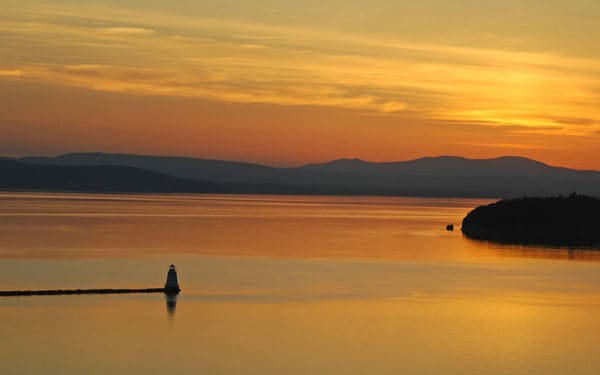
Vermont doesn’t have a lock on stunning natural settings, but, really, does it get any better than what we have every day? From rugged Camel’s Hump to iconic Lake Champlain, our rural villages to our compact cities, Vermont is our home and it’s the place CLF has pledged to protect with all the passion and expertise that we have.
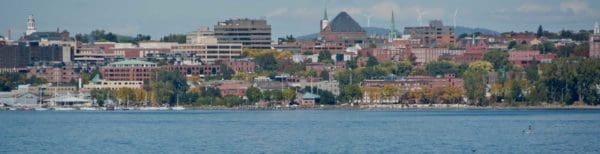
Here in New England, water is a way of life. Our rivers, streams, lakes, and ocean boost our economy, inspire our play, and enrich our heritage.
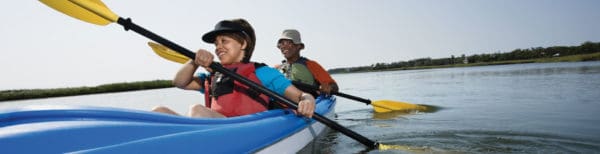
In late 2013, an EPA report found that, over the next 30 years, climate change could increase phosphorus levels in Lake Champlain by an average of 30%. The report’s implications for nutrient-impaired waters across the country are significant – more pollution, and its devastating by-products, will only stress our waters more.
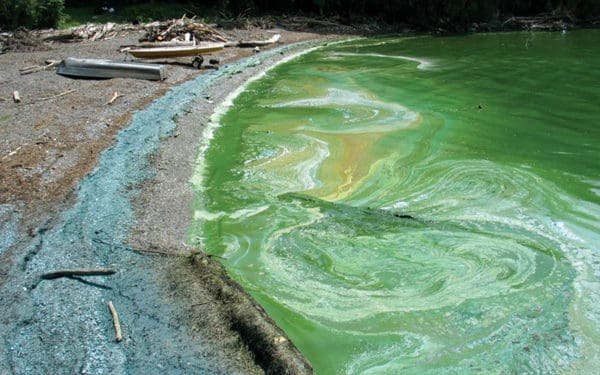
Our most iconic waterscapes – Cape Cod, Great Bay, Lake Champlain, and Narragansett Bay – are slowly being choked by nutrient pollution. Nutrient pollution is traced to fertilizer runoff from agriculture and lawns, animal waste from factory farms, and overflowing sewage. CLF is fighting against nutrient pollution and for clean water in New England.
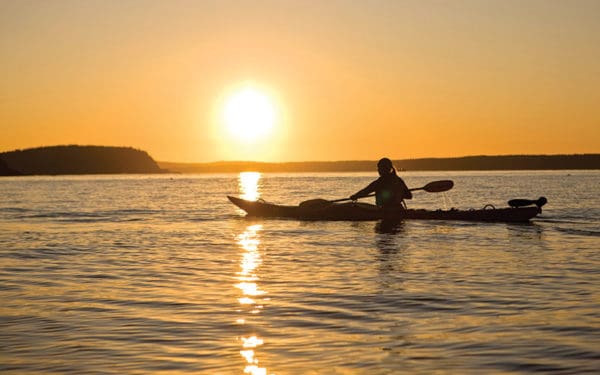
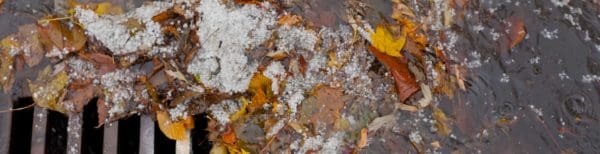
When it comes to clean water in New England, two big challenges stand in the way: nutrient pollution and stormwater runoff. CLF is working to solve these challenges by pushing local and state governments and the EPA to enforce clean water laws and hold polluters accountable for their damage.