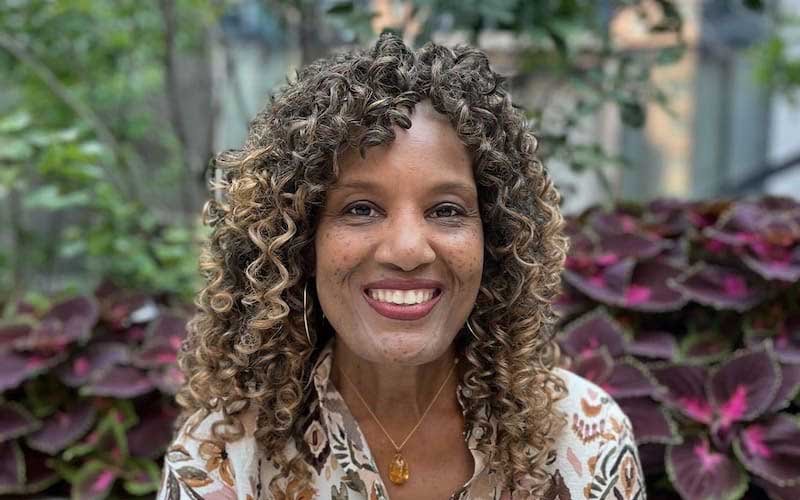
Dr. Leslye Steptoe wants to make sure people have the tools they need to do their work better than before. Photo: CLF
What drew you to the field of diversity and inclusion?
I’m the first person in my family to graduate from college. I was academically prepared. Culturally, though, not even close. It was about those implied things that other people who came from generations of people who had navigated those systems seemed to know that I didn’t.
And so, I got to college, and while I could do the coursework, the culture shock was debilitating. What closed the gap for me were these administrators who saw it as their purpose to pull people up, to help nurture potential, to be a soft place to fall culturally, where you could work out your fears and uncertainties, and then get boosted up and sent back out there to do the work. And so, I made a promise to myself that if I made it through, I was going to find a way to lift other people, like I had been lifted.
Before CLF, you worked as the chief impact and engagement officer at a community mental health center in Denver. Are there specific approaches learned in your previous role that will serve you well at CLF?
It’s about those wraparound experiences that form a life. You’re not just where you live or what school you go to, or what medical diagnosis you might have. You have many different identities, and they impact how you experience the world and how the world experiences you. And so, all the skills that I have gained in my career in these different areas, I bring with me to CLF because it’s about people and community and engagement and trust and respect and, ultimately, thriving.
What do you hope to accomplish at CLF in your new role?
I am really interested in doing what I can to make sure that the people who are doing this work have the tools they need to do it even better than they do it now.
How CLF shows up in communities matters to the work. How CLF challenges the historical context of conservation — all of the genocide, the racism, and exclusion — matters. How do we make this a workplace where people feel truly equipped and empowered to do the work that we say we do in the way that we say is important to do it? My responsibility is to draw out the things that we’re already doing well and elevate them.
How do you keep yourself balanced and positive in a time when many people, particularly people of color, people with disabilities, or those in the LGBTQ communities, feel threatened?
What guides me personally and professionally is that I’m rooted in “whose” I am. And what I mean by that is I know who I belong to. I really understand and respect my grandparents, what they went through, what they sacrificed, and how they were guided by this hope that their kids and their kids’ kids, and their kids’ kids’ kids, would have it better. It’s almost like a relay race. They handed me the baton, and this is my leg that I’m running right now. I owe something to them, and then I owe something to the people who are going to take the baton from me.
Before moving to New England, you worked in Denver. What are your expectations for life here?
I’ve visited all of the New England states, so it wasn’t a cold move. But when you move a lot as a kid, you can make yourself super miserable pining for where you came from or overly anticipating where you’re going to go next. It teaches you to be still. Just to be. I’m here now. So let me learn about where I am now. What I think about New England is that I’m in New England and I’m here for it. And that’s enough.