Jun 26, 2023
Massachusetts Bottle Bill: 3 Reasons Why We Need to Modernize It
Litter is taking a toll on Massachusetts’ health and economy. These three reasons show how an updated bottle bill could help us change that.
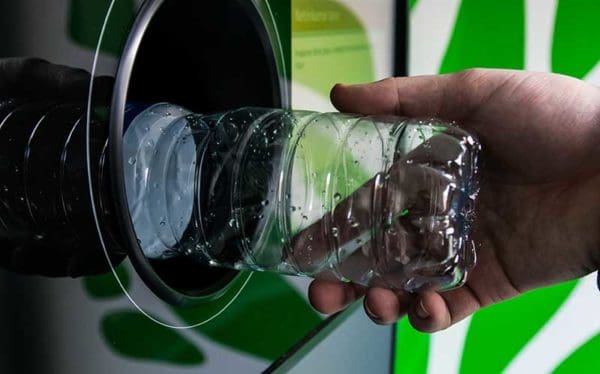
Litter is taking a toll on Massachusetts’ health and economy. These three reasons show how an updated bottle bill could help us change that.
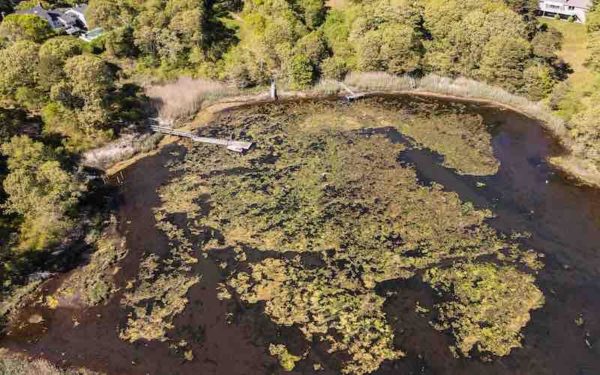
Ineffective septic tanks release high levels of nitrogen in wastewater which can cause toxic algae outbreaks in the Cape’s waters, which in turn place people at risk, harm fish and wildlife, and dampen tourism. CLF released the following statement in response to today’s news.
“Pollution from septic tanks has pushed Cape Cod’s waters to the brink of disaster,” said CLF attorney Maggie Nivison. “Toxic algae outbreaks destroy our waters, sicken people, and threaten the Cape’s critical tourism economy. The state has finally taken this crisis seriously, and these new rules are a tremendous first step in finally combatting this pervasive problem.”
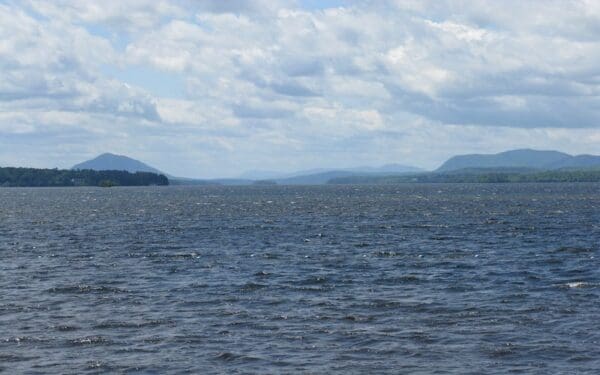
“The State’s decision is an assault on one of our bedrock environmental protections,” said CLF attorney Mason Overstreet. “Dangerous chemicals are leaching out of this landfill and polluting the Black River and Lake Memphremagog, a drinking water source for thousands of people. The State’s irresponsible decision not to require a Clean Water Act permit blows a hole through the law’s core protections and leaves Vermonters exposed to pollutants. The court should reverse the state’s decision and require a permit with effective pollution control limits.”
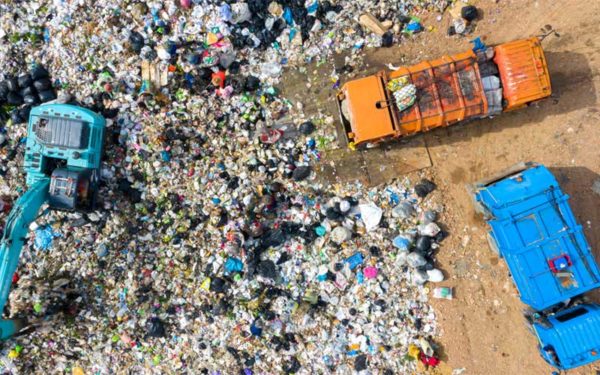
“There’s no reason why tons of food should end up in New Hampshire’s landfills and incinerators,” said CLF attorney Nora Bosworth, Zero Waste Attorney at CLF. “Food decomposing in landfills spews toxic methane pollution, threatening our health and worsening the climate crisis. In fact, food is the single largest component in most landfills, so keeping it out of our trash will decrease our reliance on poisonous and unsustainable landfills. This provision will ensure that more food is donated or and composted, which is a win for our communities and the planet.”
“The community spoke loud and clear in opposition of this polluting plant,” said CLF Environmental Justice Advocate Jordan Thompson. “The company irresponsibly attempted to push through its plan to build this facility in the middle of a diverse neighborhood that Nashua is invested in improving. The city absolutely made the right decision to deny this plant and protect the health, safety and quality of life of the neighborhood instead.”

“Twin Rivers has been given a free pass to violate the law and pollute Quincy and other nearby communities for far too long,” said CLF attorney Erica Kyzmir-McKeon. “Everyone has a right to clean air and water. This is why CLF will fight to push Twin Rivers ends this illegal pollution once and for all.”
“This kind of thing doesn’t happen by accident,” he said. “There’s a reason why this site is being proposed for an asphalt plant and not a site in Hollis or another community that’s affluent and white.”
Heidi Trimarco, a staff attorney from the Conservation Law Foundation, said more needs to be done. While she viewed Thursday’s vote as a significant victory, she said New Hampshire needs a comprehensive environmental justice law — and it needs to be enforced.
“Toxic pollution from cars and trucks overheats the planet and clogs the air in our communities,” said CLF Senior Attorney Emily Green. “The Advanced Clean Cars II and Advanced Clean Trucks rules would help us tackle the climate crisis while cleaning up the air for people and families in Maine. It’s time for our state leaders to step up and walk the walk when it comes to slashing pollution from vehicles.”

Here are six fascinating facts to help you get to know one of New England’s ocean treasures.