Jul 23, 2025
Beneath the Surface, Humans are Threatening Biodiversity in Gulf of Maine Ecosystems
Biodiversity is key to a healthy, thriving Gulf of Maine, but we’re putting it at risk
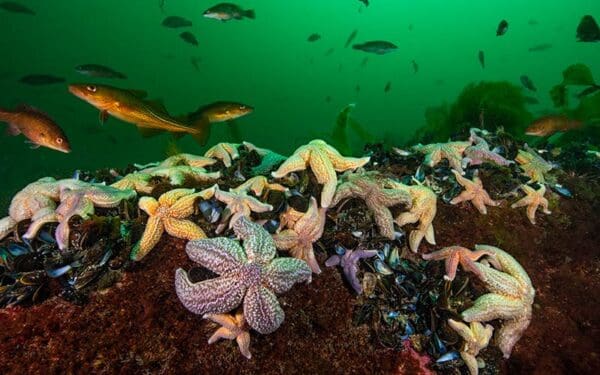
Biodiversity is key to a healthy, thriving Gulf of Maine, but we’re putting it at risk
Our homes are rife with PFAS. Even though chemical companies have known for decades that forever chemicals are toxic to humans and don’t dissolve once out in the world, they’ve resisted eliminating them because, well, they’re profitable.

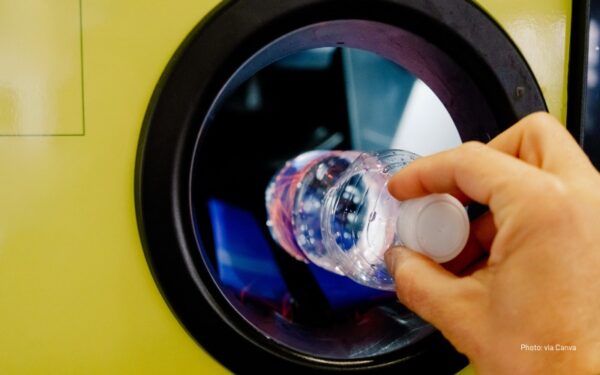
How does your state stack up in this report card? Could your elected officials be doing more to cut litter and keep bottles out of landfills?
Via a cartoon, a seal and a turtle explain what’s causing plastic pollution in the ocean and who’s responsible.
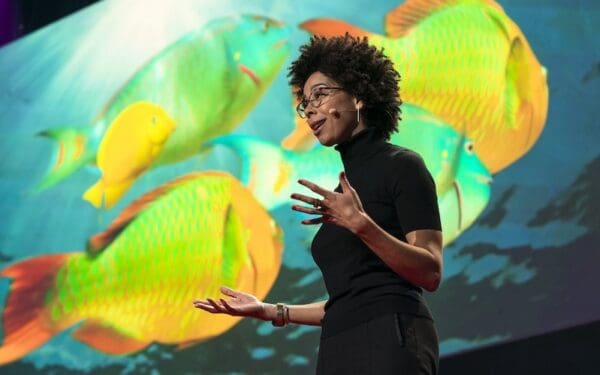
CLF President Bradley Campbell recently spoke with Ayana Elizabeth Johnson about environmentalism in the age of Trump. We’ve excerpted portions of their conversation.
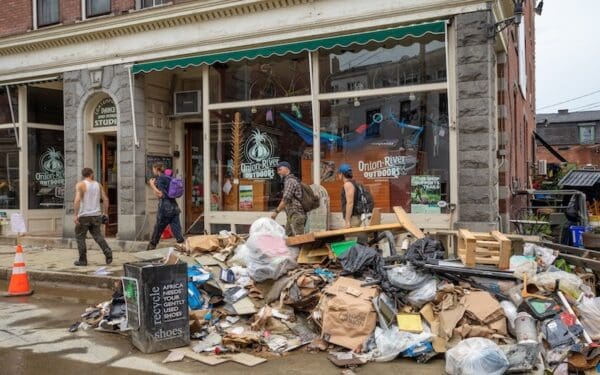
As the pace of natural disasters picks up, stunned communities ask themselves: How do we clean up from this? While there’s no easy answers, we need to take a more systematic approach to natural disasters.
Guest author Wilson Haims explores how wild spaces like Cashes Ledge can expand people’s perspectives

CLF’s move means the Waste Management Council will also hear about other dangers neighbors raised, not just the traffic issues.
Conservative media and even some conservation spaces want you to believe that Black people don’t care about the environment, nor do they vote for the environment. I find that ironic, considering I was raised by farmers and environmentalists on both sides of my family. They cared about taking care of the environment because it was the only thing they had.

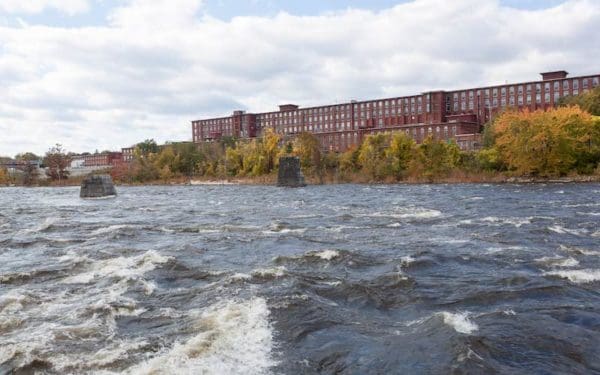
CLF is appealing New Hampshire’s approval of a permit that allows the Manchester Wastewater Treatment Facility to discharge toxic PFAS chemicals – also known as “forever chemicals” – into the Merrimack River.