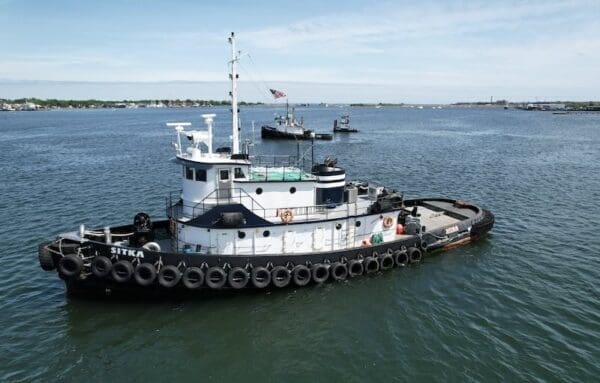
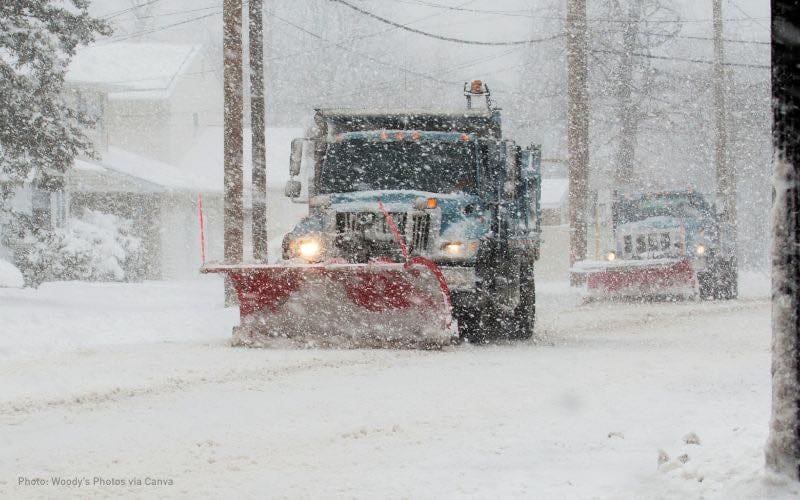
When demand for electricity spikes, our electricity grid turns on backup power that uses the dirtiest, most expensive fuels like oil. Photo: Woody's Photos via Canva.
At the end of January, the country endured a monster snowstorm that saw New England temperatures plunge into the single digits – and even into the negatives. While people scrambled to stock their fridges and keep their pipes from freezing, they also used more gas than normal.
As a result, there wasn’t enough gas to generate electricity. The region went from generating no electricity with oil to relying on this outdated fuel to generate up to 33% of our power at the height of the storm.
This spike matters because the fuels we use to generate our electricity determine how much our power costs. That’s especially important when our energy bills have gotten so expensive.
And here’s the thing: The most expensive fuel sources hiking up our electricity bills are also the dirtiest (oil and gas). But we have a cleaner and cheaper solution at hand – renewable energy. And if our state leaders make the right decisions now, we won’t have to deal with these fossil fuel obstacles in the future.
Fossil Fuels Make Electricity Expensive
Our region relies heavily on burning imported fossil fuels like natural gas year-round to generate electricity. These fuels are costly – and their prices are rising steadily. Not to mention, their prices fluctuate wildly because of international crises beyond our control.
To make this worse, New England currently generates a large portion of both its heat and electricity from gas. That’s two systems competing for the same fuel.
During extreme weather, like the snow and cold snaps we recently faced, electricity and gas-powered heating demand spikes. Utilities prioritize gas supply to fulfill heating demand, leaving less to generate electricity despite the heightened need. The price of gas skyrockets with demand, which makes typically more expensive backup fuels, like oil, more affordable to generate electricity with.
Let’s Be Clear: Our Gas System Is At the Root Of this Entire Mess
New England must import all its gas, we don’t frack any of it at home. Winter Storm Fern essentially shut down around 17% of the entire country’s gas supply. To make matters worse, the systems to import gas into our region faltered because of the extreme cold. Gas issues south of us, like gas production wells shutting down from the cold and high demand in the mid-Atlantic and New York, inhibited how much gas was available for New England to import. More gas pipelines would have done nothing to solve this issue.
In fact, new pipelines would inflate already sky-high bills because of how costly they are to build and maintain. Those prices will only get worse as gas customers switch to cleaner, 21st-century technologies, leaving behind a smaller pool of customers to pay off multimillion-dollar projects. All without solving any of the problems these storms and cold snaps created, problems that will persist if we don’t change the way we generate power.
Renewable Energy Delivers – Even During Snowstorms and Cold Snaps
So what’s the best solution for our wallets, and the planet, in getting us through the next big snowstorm and deep freeze? In making sure we don’t have two systems competing for supply? Renewable energy that we can generate right here at home. We need energy that doesn’t fluctuate because of international crises and that locks in prices for decades at a time. Not to mention, the same fuels that jack up our bills are making New England storms even worse.
Renewable energy, like solar and wind, checks off all those boxes.
A 2024 study by Synapse Energy Economics, Inc. found that if wind power supplied around one-third of New England’s current peak electricity use by 2030, people across the region could save about $630 million a year on their energy bills. Another study in Nature Energy found that an electricity grid with high concentrations of renewable energy is stronger in withstanding extreme weather and lowers the chance of blackouts.
The good news is that we still have some large-scale renewable power moving forward despite the federal government’s attempts to stop commonsense clean energy projects. Vineyard Wind’s offshore turbines are already powering homes and businesses across the region. Revolution Wind will soon finish construction on its turbines and add even more power to our electricity supply.
We clearly need more. During that January storm, renewables only accounted for 6% of electricity generation. But it’s not because renewables aren’t up to the job. States haven’t purchased enough clean power yet – and the federal government’s all-out attack on anything clean energy hasn’t made things any easier. That’s a shame, because the more solar and wind power we have online, the less we need to depend on expensive and dirty oil and gas.
Our State Governments Need to Support Renewable Energy
Imagine if during future winter storms you could remove high electricity prices from your list of worries? That’s why our state leaders need to work together to bring more clean power resources to our grid. We need more solar and wind power along with energy efficiency to make our region’s energy supply cheaper and more reliable for every family and business.
It’s a future we all deserve. And fossil fuel companies certainly shouldn’t have the power to deny us the right to keep our lights on and our homes warm without breaking the bank during the next extreme storm or cold snap.