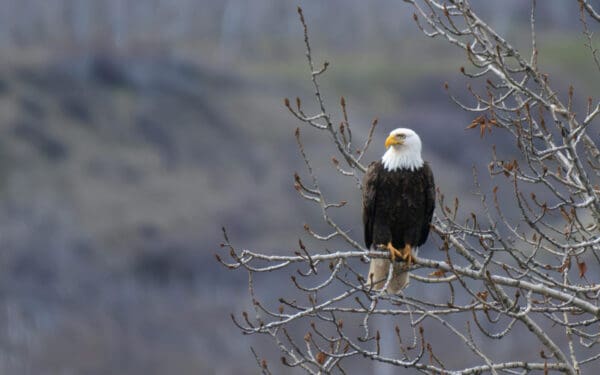
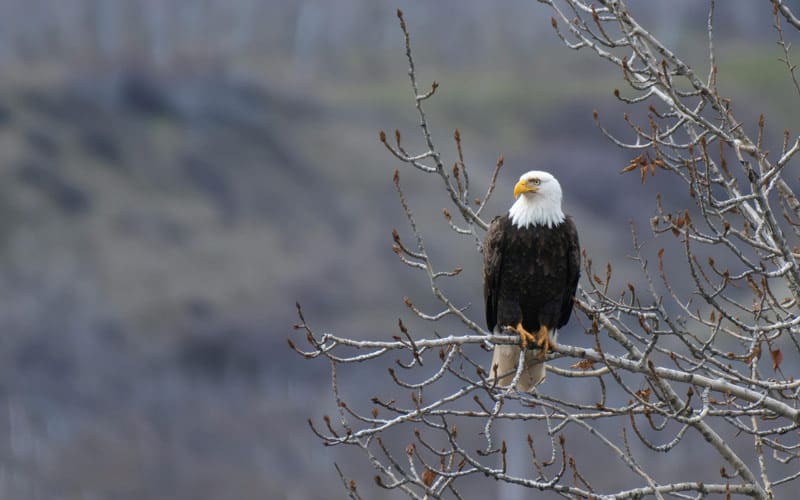
The United States' "national bird" was at serious risk of extinction when the Endangered Species Act passed. Photo: Frank Cone.
In 1973, President Nixon signed the Endangered Species Act, setting a whole new standard for protecting vulnerable species. The law was so bold that the Supreme Court later called it “the most comprehensive legislation for the preservation of endangered species enacted by any nation.” The Act is credited with saving 99% of the listed species from extinction.
However, more than 1,600 species remain listed as endangered or threatened in the United States, and they rely on the Act’s protection to have a hope for recovery.
And now, because of recent attacks by the Trump administration, the Endangered Species Act is itself endangered. In 2025, the administration released new proposed rules (regulations created by agencies on how to implement a law) that would fundamentally alter how, and if, the Endangered Species Act’s protections apply to our endangered and threatened plants and animals.
The proposed rules would:
- make it harder to designate species as endangered,
- decrease protections for threatened species,
- hinder the government’s ability to protect key habitats, and
- even prioritize the “economic impacts” of not protecting endangered species.
These proposed changes undermine the law’s proud legacy of protecting our most vulnerable animals and plants. If enacted, they will do the opposite of what the law intends – putting these endangered and threatened species at even greater risk of being lost forever.
History of the Endangered Species Act
The technology used for hunting, trapping, fishing, logging, and otherwise extracting nature’s resources improved dramatically over the course of the 19th and 20th centuries. Humanity’s ability to wipe out entire species improved accordingly. High-profile extinctions like the passenger pigeon and near-extinctions of iconic American animals like the sea otter and bald eagle drew attention to the vanishing of animal populations.
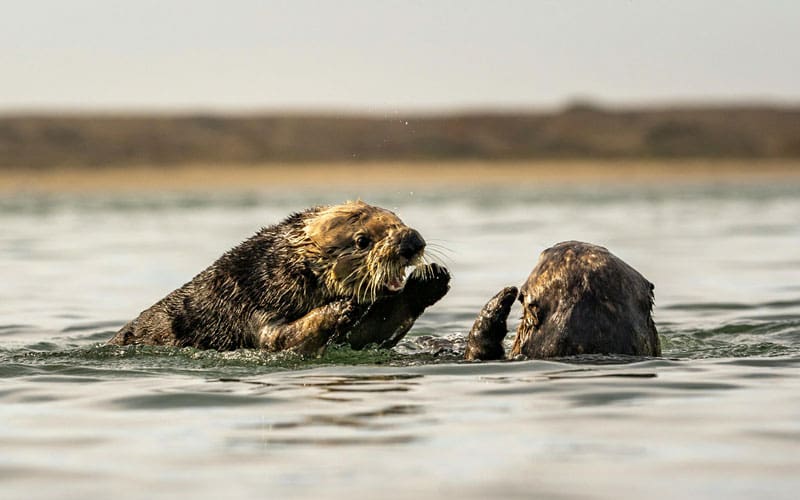
Over the first half of the 20th century, a series of piecemeal wildlife protection laws attempted to tackle the issue by limiting hunting or protecting specific species. Eventually, it became clear that more comprehensive legislation was necessary. A team of lawyers and scientists assembled to draft what became the Endangered Species Act.
This groundbreaking set of policies established strong protections for animals that were “endangered,” meaning at imminent risk of extinction, or “threatened,” meaning at risk of extinction in the foreseeable future. The law passed with strong bipartisan support.
Since then, lawmakers, scientists, activists, and others concerned about the environment have worked to strengthen and improve the law. Congress expanded protections to include at-risk plants. Critical new scientific discoveries guided conservation decisions. Regulators streamlined the process for adding or removing species from the endangered or threatened lists. Nonprofits and individuals used citizen lawsuits to bring new plants and animals to regulators’ attention.
How the Endangered Species Act Works
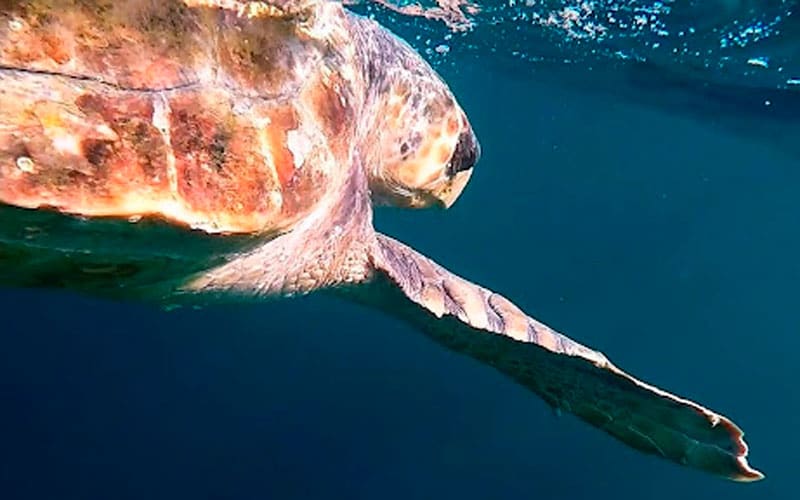
Today, the Endangered Species Act prohibits the “take” of listed animals and protects the habitat our wildlife depends on to survive. The law defines “taking” as “to harass, harm, pursue, hunt, shoot, wound, kill, trap, capture, or collect” a listed endangered or threatened species. The law prohibits these actions unless an individual or business obtains a permit from the government.
The law also requires the designation of “critical habitat” for listed species to protect the land and waters they need to survive and recover. The decisions about which species and habitats to protect are based on the best available science.
One of the Endangered Species Act’s key tools to accomplish this is interagency consultation. The Act requires all federal agencies to consult with the two agencies responsible for implementing the Act to avoid actions that are likely to jeopardize endangered and threatened species or negatively affect their critical habitat.
All of these bedrock protections are currently under assault by the Trump administration.
Endangered Species in New England
The Endangered Species Act protects many of New England’s most beloved species, including:
- North Atlantic right whales, which are one of the most endangered whale species in the world, with fewer than 400 remaining. Their feeding areas off our shores are important habitats, crucial to their survival.
- Atlantic salmon populations, which are present in only four rivers in Maine. The Endangered Species Act currently protects those rivers from excessive damming and pollution. It also requires the crucial fish passages that allow salmon to bypass dams so they can complete their annual migration to and from the sea to their spawning grounds and back.
- Jesup’s milk-vetch, a plant with clusters of blue-violet flowers that only lives in a handful of sites along the Connecticut River.
- Piping plovers. The largest population lives on the Atlantic Coast in Massachusetts, but these small shorebirds are listed as threatened due to habitat loss, human disturbance, climate impacts, and predators.
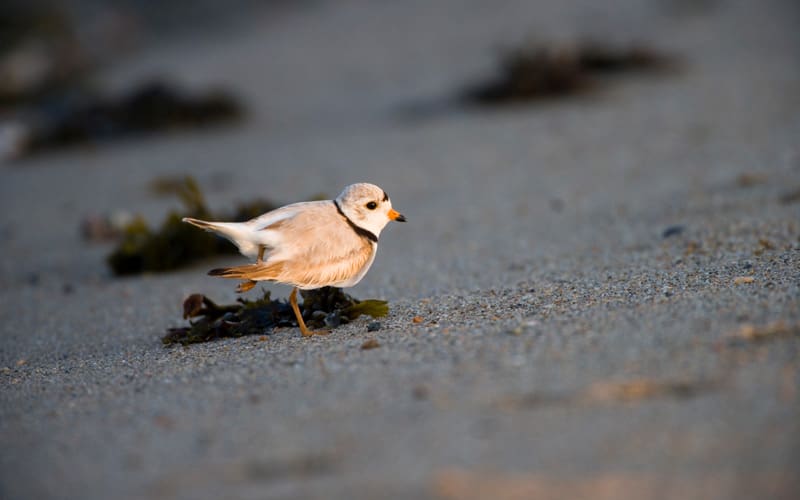
New England’s culture and economy are deeply entwined with our environment and the species that make a home here. The loss of any of these species would dampen tourism, decrease everyone’s enjoyment of the natural world, and disrupt the region’s web of life. For many people, it would also be an intangible yet deeply felt loss to simply know that the majestic right whale or the tiny piping plover were no longer swimming or flying in our world.
We Must Defend the Endangered Species Act from the Trump Administration
The Trump administration’s disastrous proposed revisions to the Act will prioritize profit over the permanent loss of our national treasures. It will also obstruct federal decision-makers’ ability to protect these species from the impacts of climate change and habitat destruction. Even worse, the Trump administration is doing all this to make it easier for damaging activities like oil and gas drilling to move forward in key habitats.
The administration also threatens to go even further. It is weighing eliminating the Act’s definition of what is considered “harm” to a species. On top of these four proposed rules, redefining “harm” would undermine the Endangered Species Act’s ability to protect the homes of our most at-risk species, like Florida manatees and Maine’s salmon.
CLF strongly opposes these attacks. A powerful Endangered Species Act is the only thing standing between many beloved plants and animals and extinction. Extinction is forever. We need your support to stop the Trump administration from driving cherished species extinct.