
Just when you think we've hit a brick wall when it comes to climate, hope for a cleaner world springs up. Photo: Shutterstock
These days, it’s easy to lose heart if you care about the environment. There’s no denying that powerful actors (or countries) have stepped away from their responsibility to the planet. For example, the Trump administration has fought tooth and nail to undermine renewable energy, such as solar and wind, which are crucial to slowing the pollution overheating our planet. He’s also rolled back protections for our air and water, encouraged corporations to keep on polluting, and allowed commercial fisheries to plunder protected marine areas. Who can blame us for feeling discouraged?
But it’s not all bad news. There are some surprisingly positive developments when it comes to the environment. Here are a just a few:
Renewable Energy is Eclipsing Fossil Fuels
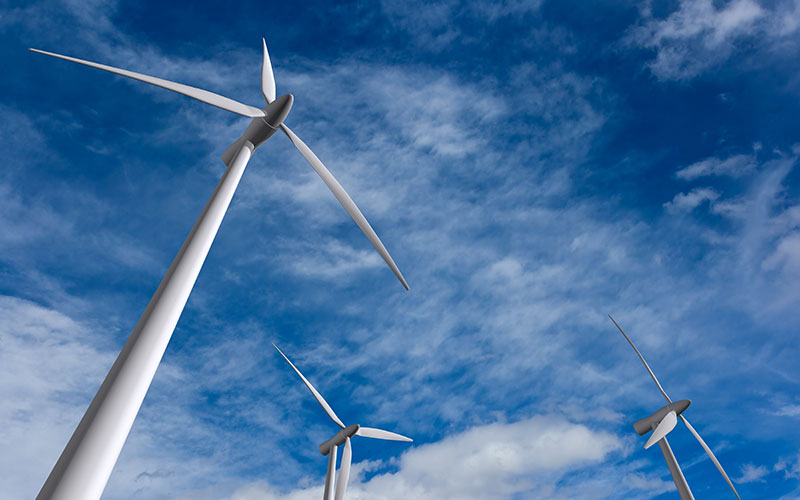
Last year, the Trump administration may have temporarily slowed the spinning of wind turbines in the U.S., but in the rest of the world, wind and solar are booming.
Global solar generation grew by a record 31% in the first half of 2025, while wind grew by 7.7%, according to the energy think tank Ember. Combined solar and wind generation grew by more than 400 terawatt-hours, which is like the total amount of electricity consumed in Italy. This was more than the increase in overall global demand in the same period. The implications are clear: Renewable energy can meet growing energy demand, unlike the story you’ll hear from the fossil fuel giants looking to keep us addicted to oil and gas.
And here’s more good news: Fossil fuel generation dropped. It was just a tiny bit – less than 1% – but it could signal a turning point.
In fact, over the past decade, global spending on clean energy has been higher than investment in fossil fuels. That’s because investors (but not fossil fuel companies) can see where the future lies.
In 2024, more than 90% of new electricity capacity worldwide came from renewable sources, including solar, wind, hydroelectric, and geothermal. In our own backyard, the New England Clean Energy Connect transmission line project is delivering renewable hydropower from Quebec, Canada, to Massachusetts residents. And in Massachusetts and Connecticut, communities are beginning to explore the potential of geothermal networks. Even local start-ups are developing ways to make drilling for geothermal much more affordable in just a few years.
The Sun Continues to Shine on Solar
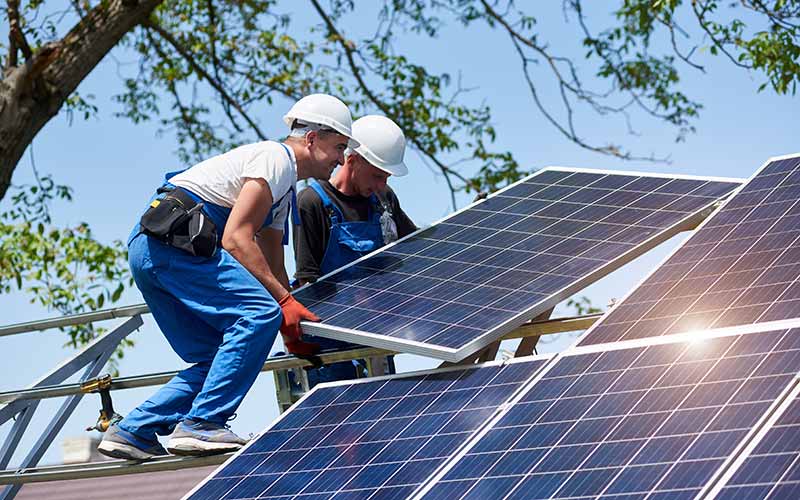
Sometimes it has felt as if there were only cloudy days on the horizon for solar. That’s because the Trump administration has actively dismantled many of the solar programs established under the Biden administration’s Inflation Reduction Act. Trump canceled the $7 billion “Solar for All” program intended to help low-income households adopt solar, terminated federal solar tax credits, and raised costs for solar developers hoping to build solar developments on federal land.
We’re not just going to stand by and let this happen. CLF has stepped in to actively challenge the administration on its termination of Solar for All in court. But let’s be honest about where this is all really headed in the long term: Solar is much less expensive and much faster to install compared to drilling for oil. It’s virtually unstoppable, no matter what kind of self-defeating orders come out of the White House. According to one report, solar photovoltaics were, on average, 41% cheaper than the lowest-cost fossil-fuel alternatives. It may not feel like it right now, but the Trump administration is nothing more than a passing cloud momentarily obliterating the sun. If for no other reason than cold, hard market realities, the sun will rise on solar again.
An Electric Vehicle Charging Boom Takes the Nation by Storm
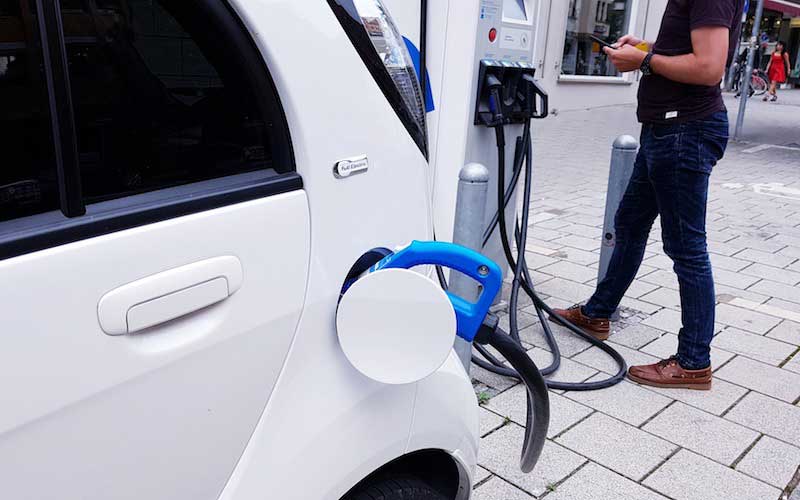
If you were in the market for an electric vehicle last year, you are very much aware that the Trump administration ended tax credits for those looking to buy one. After a brief surge last fall, electric vehicle sales around the country stalled.
But something weird happened: Even after Trump stomped away the embers stoking an electric car revolution, electric charging stations continued to boom.
In fact, according to Paren, a data firm that tracks electric vehicle networks, last year was a record-breaking one for U.S. fast-charging infrastructure. Infrastructure was up by 30% with more than 18,000 new fast-charging ports installed. Plug-in plazas grew larger, more numerous, and more capable of delivering higher power. Plus, more drivers used them. It’s counterintuitive considering the fate of the tax credit, but is it also perhaps the writing on the wall?
Meanwhile, as the U.S. skids off track, the rest of the world has embraced electric vehicles, From Asia to Europe to Canada to Africa, more car owners are ditching gas for electric. And there is one straightforward reason why – electric vehicles are getting more affordable to buy, cost less to maintain, and are much cheaper to keep powered up. That explains why low-cost Chinese models are now zipping across Europe and Asia.
Cities and Towns are Cleaning Up After Their Meals

Across the country, a growing number of towns and cities are running composting programs. In 2023, 400 municipal composting programs serviced 710 communities. That was a 49% increase over 2021. And each year, the number of households with access to municipal food scrap collection grows.
New England is on trend. New Hampshire passed a food waste law in 2023. Last year, Maine passed its own law requiring large food institutions, from grocery stores to college cafeterias, to divert food from landfills and incinerators. That means that all New England states now have food waste laws, and CLF has worked doggedly to get them passed. Maine’s law, which goes into effect in 2030, requires institutions to donate surplus food that can be eaten and compost food that can’t, building a better system for managing excess and cutting unnecessary waste.
We’re Still Winning Against Polluters

The Trump administration has tried so hard to knock the teeth out of clean air laws, but here in New England, we’re not toothless yet. This year, CLF negotiated one of its largest settlement payouts against Academy Express, a school bus company whose idling buses posed a noxious threat to residents’ health in Greater Boston.
But that was not our only victory. Thanks to our work, Quincy residents can enjoy clean air and water after CLF settled a lawsuit against Twin Rivers Technologies, a Massachusetts chemical company that had polluted the Neponset River Estuary. A $600,000 settlement will be sent back to the community to help restore salt marshes and fund youth-led tree-planting programs.
We also reached a settlement with Big Beverage company Patriot Beverages, which had been discharging wastewater into Reedy Meadow Brook and Mill Pond in Littleton, Massachusetts. The company, maker of Propel Water, Gatorade, and Pure Leaf Tea, must now give $2 million to fund water-quality restoration projects, river monitoring, shoreline restoration, and public education.
Taken together, these wins demonstrate that the courts can still uphold the environmental laws we depend on.
So yes, the news can sometimes get discouraging. But don’t be fooled. When it comes to the environment, there’s good news out there, too. It’s important to stay aware, stay engaged, and stay active to keep the good news coming.